


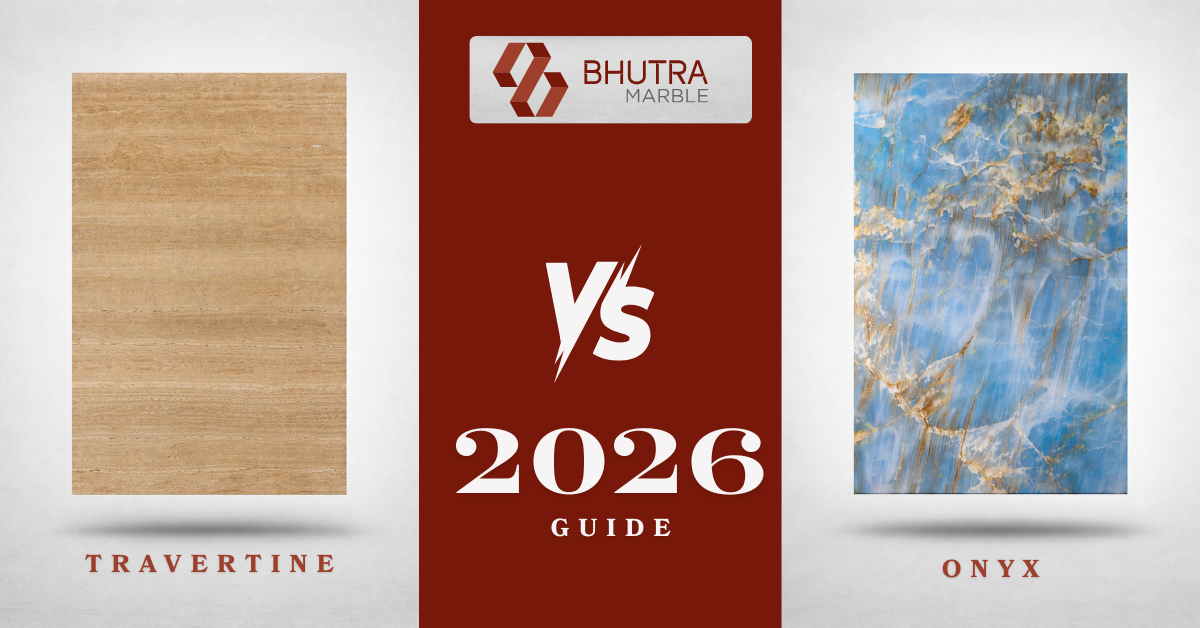
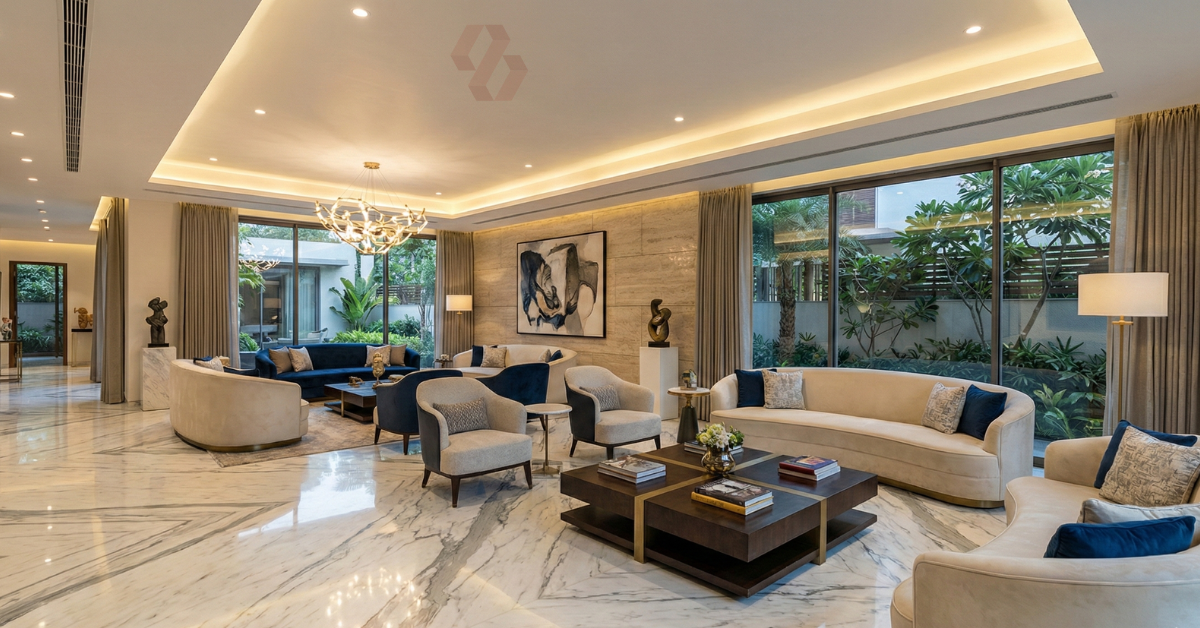
Travertine vs Onyx (2026 Guide): Which Natural Stone Is Best for Your Space?
If you’re planning to upgrade your home, office, villa, or commercial interior with a premium natural stone, two names stand out — Travertine and Onyx.
Both look luxurious, both elevate design instantly, but they serve very different purposes. Choosing blindly is a mistake; choosing informed saves money, avoids damage, and delivers the look you actually want.
This 2026 guide explains everything in simple, practical language.
What Is Travertine?
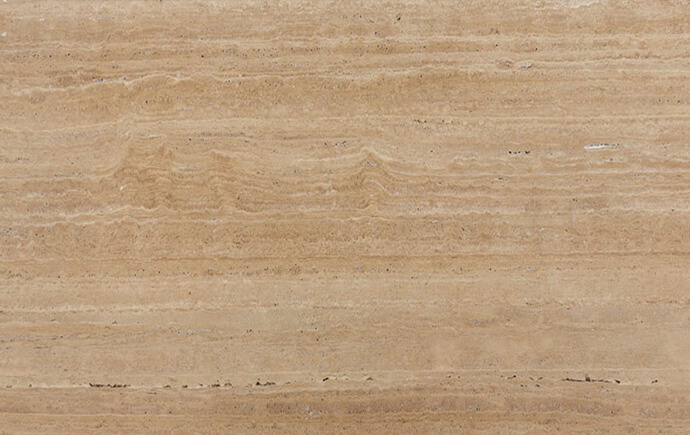
Travertine is a natural limestone formed near mineral springs. It has warm earthy tones, subtle textures, and a naturally porous surface that brings character and depth to interiors.
Key Features
✅ Natural variation in color and patterns
✅ Suitable for indoor + outdoor use
✅ Warm, cozy, premium aesthetic
✅ Requires periodic sealing for protection
Travertine is the stone for people who want natural beauty without shouting luxury in your face.
What Is Onyx?
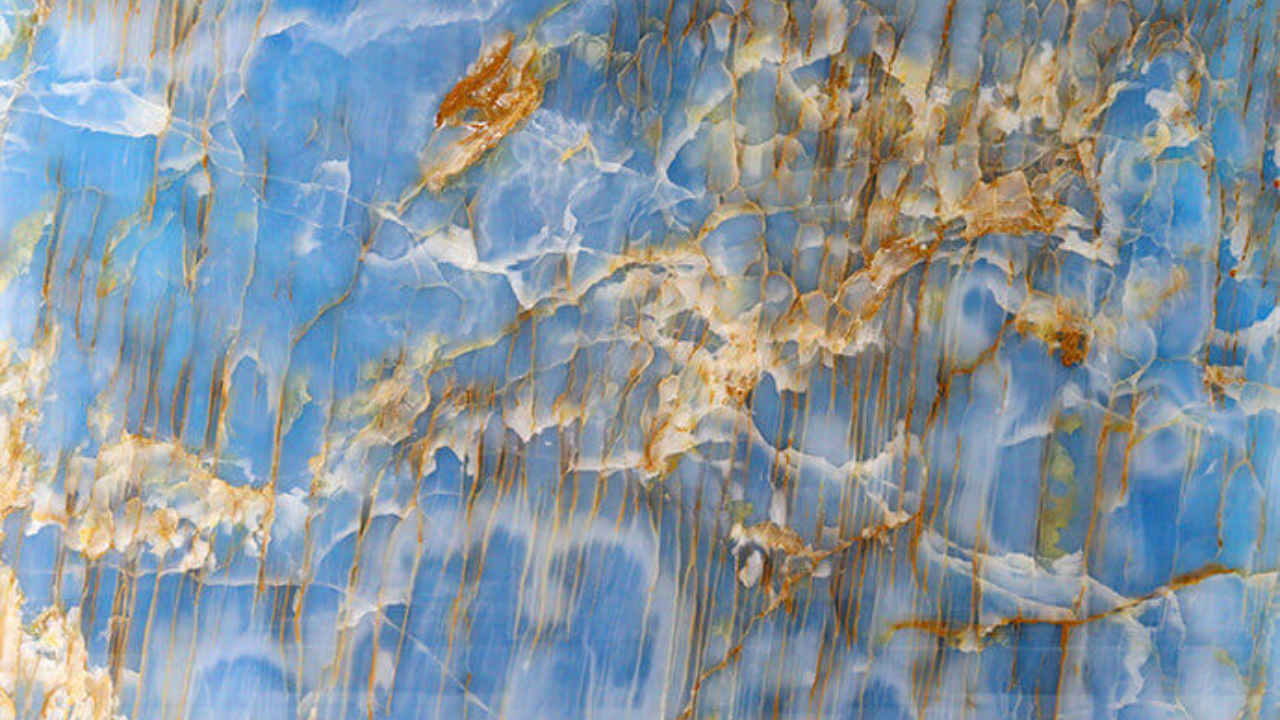
Onyx is a dramatic, luxury stone created through slow crystallization inside caves. It’s famous for its translucency — when backlit, it literally glows like art.
Key Features
✅ Translucent – stunning when backlit
✅ Bold colors and dramatic veining
✅ Premium, statement-making appearance
✅ Requires careful handling and maintenance
Onyx is not subtle. It’s a statement stone meant to impress.
Travertine vs Onyx – Quick Comparison Table
| Aspect | Travertine | Onyx |
|---|---|---|
| Composition | Limestone formed near mineral springs | Crystallized calcium carbonate |
| Look | Warm, earthy, rustic | Bold, dramatic, translucent |
| Durability | Moderate – suitable for floors | Softer – best for décor |
| Best Use | Flooring, walls, outdoors | Backlit walls, bars, reception |
| Maintenance | Needs sealing | Needs careful care |
| Price | More affordable | Premium |
| Availability | Widely available | Limited |
2026 Design Trends: Where Each Stone Fits Today
Interior design in 2026 revolves around organic luxury, natural textures, and impactful highlight elements.
Why Travertine Is Trending
Warm natural tones
Earthy organic feel
Perfect for homes, hotels & resorts
Ideal for spa-style bathrooms & outdoor spaces
Travertine delivers sophistication without trying too hard.
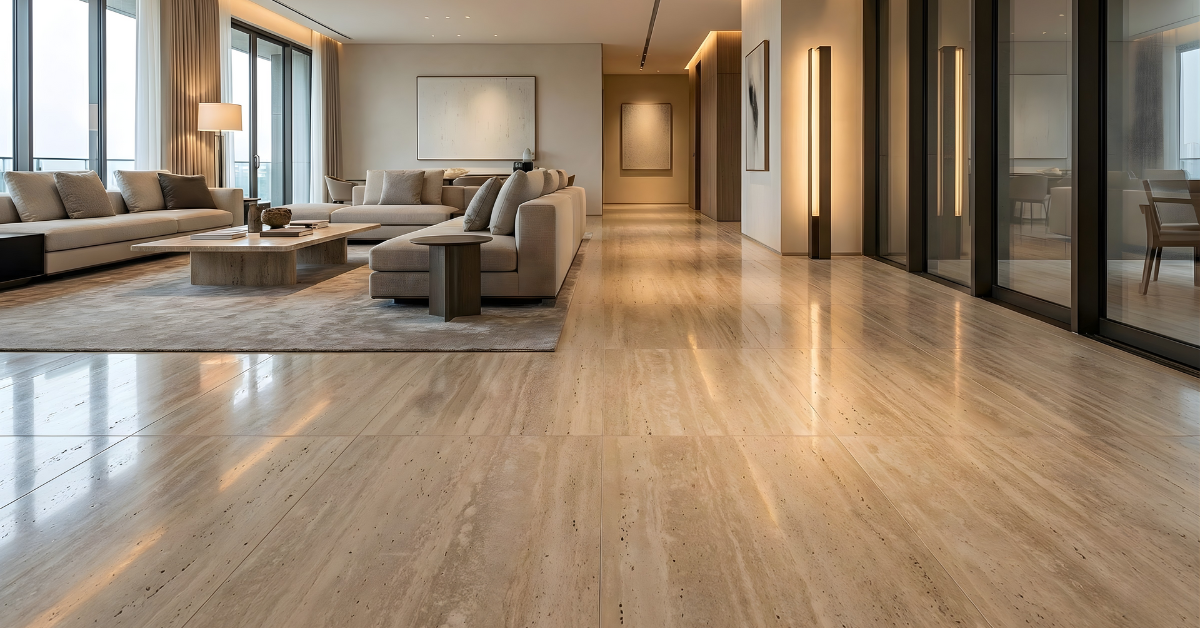
Benefits of Travertine
Timeless elegance
Works indoor + outdoor
Durable with care
Unique natural character
Cool underfoot
Why Onyx Remains the Luxury Showstopper
Onyx is used where design needs impact:
Backlit walls
Luxury bars
Reception desks
Premium hotel lobbies
Anywhere you want visitors to say:
Wow… this looks stunning.
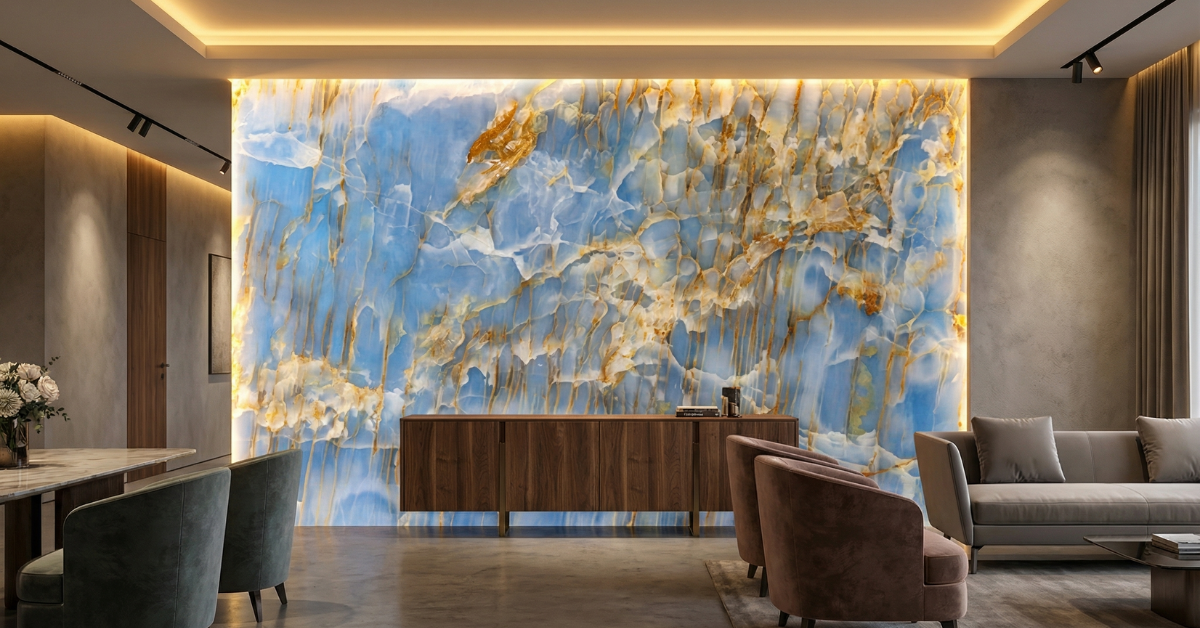
Benefits of Onyx
Unmatched luxury appeal
Creates glowing visual drama
High visual impact
Premium aesthetics
Long-lasting beauty (with care)
Popular Uses :-
Travertine Uses
Interior flooring
Bathrooms & vanities
Kitchen countertops
Wall cladding
Pool coping & outdoor decks
Onyx Uses
Backlit feature walls
Luxury countertops
Bars & reception desks
Decorative panels
Artistic installations
Final Verdict: Which One Should You Choose?
Choose Travertine if you want:
Warm natural beauty
Affordable premium look
Floor + outdoor suitability
Long-term practicality
Choose Onyx if you want:
A premium statement look
Dramatic luxury interiors
Backlit glowing designs
Rare and unique material
Both are exceptional — the right choice depends on usage, budget, and desired impact.
FAQs
Travertine – yes, great for outdoors.
Onyx – generally not recommended outdoors.
Travertine is easier. Onyx needs more care.
Onyx is significantly costlier.
Yes — travertine floors + onyx feature walls look stunning.
Yes, they are natural stones when sourced responsibly.