


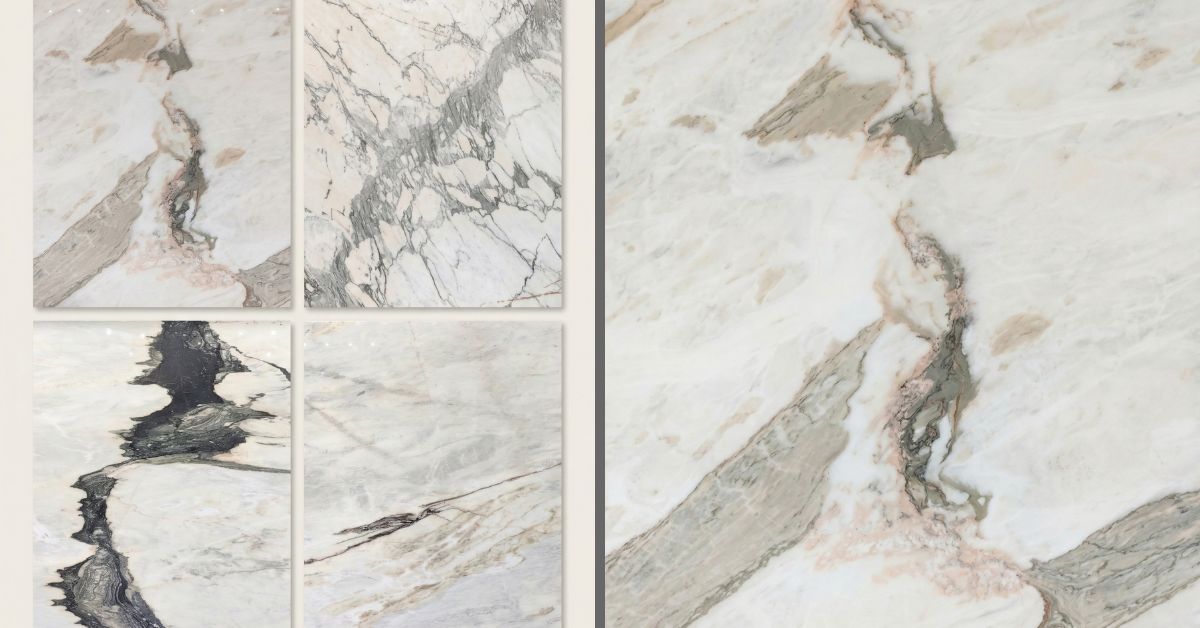

best marble for flooring
Walk into almost any home in Rajasthan, Gujarat, or Maharashtra and there is a good chance the floor beneath your feet is marble. It has been this way for centuries. And yet, every other week someone calls a supplier furious that their beautiful white marble now has dull patches near the kitchen sink, or that the bathroom floor feels like an ice rink after a bath. Most of that heartbreak was avoidable.
Choosing the best marble for flooring is not really about picking a color or chasing an Italian brand name. It is about understanding what the stone is made of, where it will go, and whether your household will actually maintain it. This guide covers eight types that consistently show up in Indian homes — four domestic, four imported — and explains exactly where each one makes sense and where it quietly fails people.
Why Marble Still Belongs on Indian Floors
Marble is a metamorphic rock, mostly calcite, and that single fact explains both its beauty and its limitations. Calcite reacts to mild acids. Lemon juice, vinegar, the splash from a tamarind-heavy curry, a cleaning product you picked up without reading the label — all of these can chemically etch a polished marble surface, leaving dull marks that no amount of wiping will fix. The Natural Stone Institute is fairly direct about this: calcite-based marbles are vulnerable to the mild acids commonly found in kitchen and bar settings.
That does not mean marble is impractical. It means marble demands a little respect. If you are willing to give it that, few flooring materials come close to what marble offers — the cool underfoot feel in summer, the way it reflects light across a room, the sense of permanence. Marble flooring, properly installed and maintained, can outlast three or four generations of the family walking on it.
The key is matching the stone to the room.
How to Judge the Best Quality Marble for Flooring
Before you look at colors and veining, look at two numbers: porosity and absorption rate. Lower is better, especially for kitchens, bathrooms, and any space that sees regular spills or humidity.
After that, look at finish. Honed marble (matte) generally offers better grip than polished marble (glossy) in wet zones. Many buyers treat finish as a style preference. It is actually a safety choice in bathrooms and a maintenance choice everywhere else. A polished living room floor looks spectacular when new. Honed ages more gracefully under real family life.
Finally, be honest about maintenance. If you are not going to seal your floors once a year, choose a more forgiving stone. There is no shame in that — it is just practical planning.
The 8 Types: Room-by-Room Breakdown
1. Makrana Pure White — The Best Marble Stone for Flooring from India
Makrana is not trendy. It is simply excellent. The Taj Mahal was built with it, and that is not just trivia — it means quarrymen have been selecting and grading this stone for quality for four hundred years. IIT Bombay’s own material studies describe freshly quarried Makrana as extremely dense with very low porosity and strong resistance to seepage. For an Indian context, those numbers matter more than most import certificates.
If you want the best marble stone for flooring that is luminous white, durable in humid conditions, sourced domestically, and comes with a long performance track record, Makrana is the answer. Premium pure-white slabs currently start around ₹500 per sq ft, which is not cheap, but the stone earns it.
One thing buyers consistently underestimate: Makrana still shows dirt quickly because of its brightness. In a high-traffic corridor or near the main entrance, that crisp white will need more frequent mopping than warmer-toned alternatives. In a formal living room or puja area where cleanliness is already a priority, it is unbeatable.
Best for: Living rooms, formal foyers, puja rooms, staircases
Finish recommendation: Polished for low-traffic formal areas; honed anywhere wet
2. Katni Beige — Smartest Pick for Budget Buyers
Katni does not get the appreciation it deserves, probably because it lacks the glamour of a foreign name. But if someone is asking about the cheapest marble flooring option that still looks good after five years of actual family use, Katni is the honest answer.
Indian suppliers describe Katni as a beige to off-white stone with soft grey and golden veining — warm, subtle, and very easy to live with. Pricing typically runs from ₹65 to ₹140 per sq ft depending on grade and finish, which is among the lowest best floor marble price points for a genuine stone floor. What makes Katni genuinely good value (not just cheap) is that its warm beige tone hides footprints, dust, and the minor daily marks that drive owners of bright white marble to constant mopping.
Consistency across a large lot can vary with lower-cost Katni grades, so spend time selecting slabs rather than just ordering by square footage. The difference between a good Katni installation and a mediocre one is almost entirely in the slab selection.
Best for: Bedrooms, living rooms, hallways, family-use areas, budget-conscious full-home projects
Finish recommendation: Honed for daily areas; polished works in bedrooms
3. Carrara White — The Sensible Imported Choice
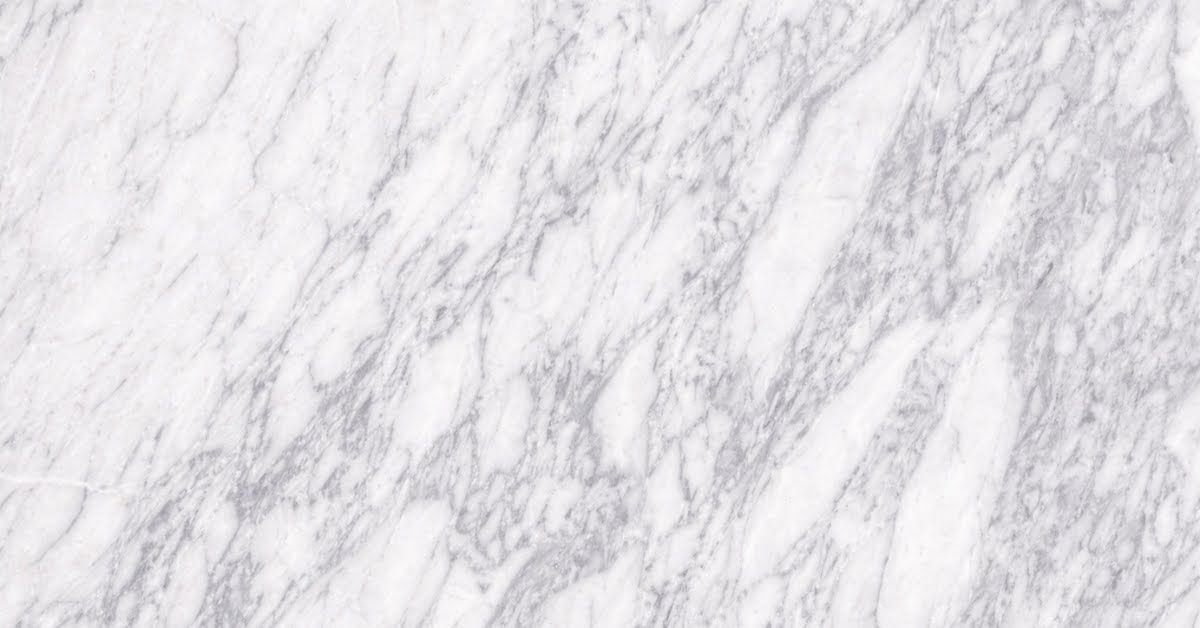
Carrara is what most people mean when they picture Italian marble without thinking about it too hard — a white or light grey base, fine grey-to-black veining, and a calm, timeless appearance that fits equally well in modern minimal interiors and classic designs. MGI’s technical documentation places absorption at 0.1% by weight, which is genuinely low for an imported white marble.
For the best marble for house flooring where you want an imported look without going into Statuario-level luxury, Carrara is usually one of the most rational choices. It gives the elegance of genuine Italian marble from Tuscany while staying more subtle and practical than many bold white marble varieties. For current market guidance, you can check our Italian marble price in India guide.
Carrara’s veining is finer and calmer than Statuario’s, which means it works in smaller rooms without overwhelming them. It is also more consistent slab to slab, which reduces the headache of matching across a large floor.
One honest note: like all white calcitic marbles, Carrara will etch near kitchens if you are not careful. That is a maintenance commitment, not a deal-breaker — just something to accept before buying.
Best for: Bedrooms, living rooms, bathrooms, lobbies, mid-range luxury interiors
Finish recommendation: Honed for bathrooms and high-traffic zones; polished for bedrooms and formal spaces
4. Statuario — When You Want the Floor to Make a Statement
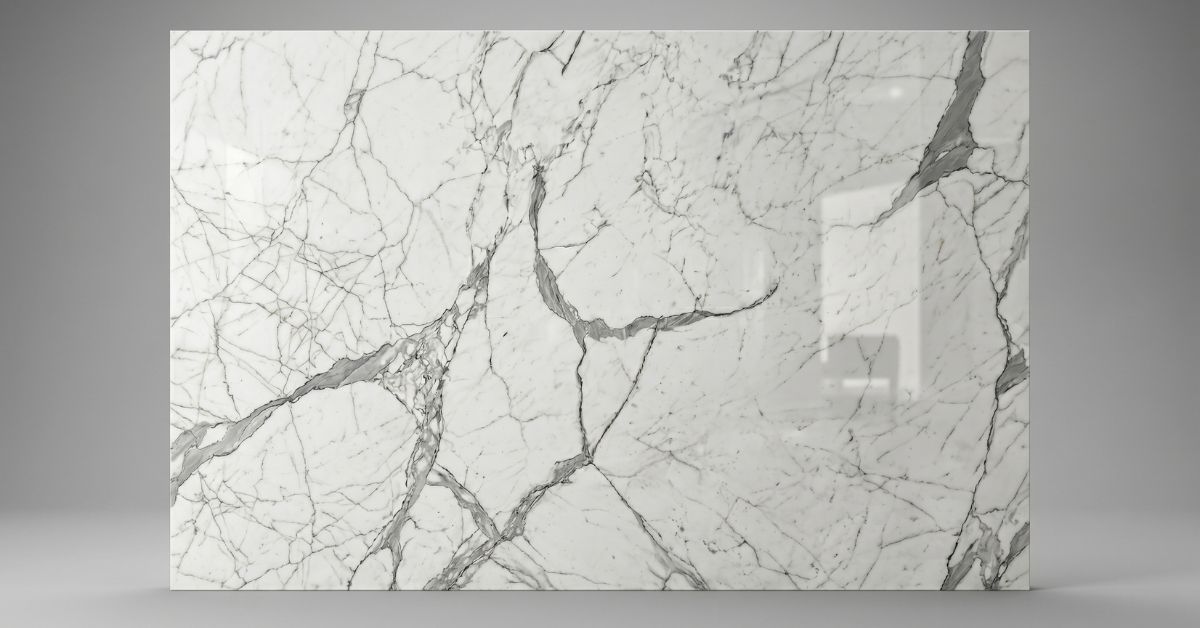
Statuario is not the best marble for home flooring in every situation. It is the best marble for situations where the floor is supposed to be the focal point of the room — a bold grey-veined pattern on pure white ground that stops people when they walk in. MGI describes it as arising from a very pure white stone with veining that defines the variety, and that description captures exactly why designers reach for it.
The mistake people make with Statuario is using it everywhere. A full apartment in Statuario, poorly laid, just looks busy. A single statement living room or a master suite feature wall in Statuario, well-selected and thoughtfully laid, is extraordinary. It is the difference between a designer using a material and a homeowner throwing money at one.
Best for: Formal living rooms, hotel-style master suites, foyers in large homes
Finish recommendation: Honed if maintenance is a concern; polished in dry formal areas with controlled traffic
5. Calacatta Gold — Maximum Luxury, Maximum Commitment
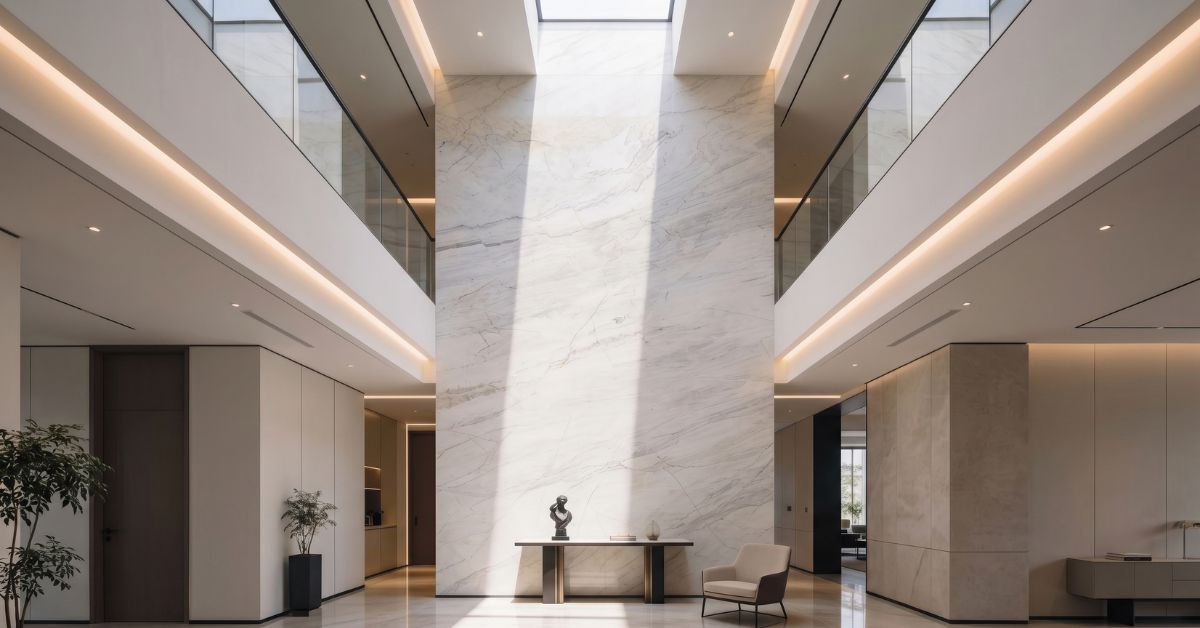
Calacatta Gold sits a tier above Statuario in terms of visual drama. Antolini describes Calacatta as a pure white stone with bold grey veins; what distinguishes Calacatta Gold specifically is the warm gold tones running through those veins alongside the grey. For current market guidance, you can check our Italian marble price in India guide
It is extraordinary when done right. The problem is that “done right” requires enough space, enough light, and careful slab matching. Each slab in a Calacatta Gold lot can look markedly different from its neighbor, so a standard “order by square footage” approach will produce a floor that looks random rather than intentional. You need to dry-lay, photograph, and approve the layout before a single piece gets fixed.
If you are asking whether Calacatta Gold is worth it — yes, in a large formal room with good slab selection and a tight installation. No, in a small apartment bathroom or a floor where the installer is going to sort the slabs himself.
Best for : Statement foyers, showrooms, large formal rooms, luxury villa projects
Finish recommendation : Honed in bathrooms; polished in dry formal areas.
6. Crema Marfil — Best Marble Flooring for Living Rooms (Warm Tone)
Crema Marfil is what you choose when you want Italian elegance without the harshness of a bright white floor. It is a creamy beige stone with subtle veining — warm, slightly honeyed, and incredibly easy to style with wood furniture, earthy walls, and the warm interiors that most Indian homes naturally gravitate toward.
Levantina’s technical documentation lists water absorption at 0.2% (EN 13755), which is low enough to be comfortable in most interior applications with proper sealing. Indian supplier pricing typically runs from ₹180 to ₹300 per sq ft, putting it in accessible imported territory.
For anyone searching best marble flooring for living room and wanting something that looks expensive without demanding constant attention, Crema Marfil is probably the most underrated pick on this list. It reads warmer and less sterile than bright white marble in large open-plan spaces, and it hides the inevitable dust and light scuffs of daily life far more gracefully.
Best for: Living rooms, dining rooms, bedrooms, hospitality-style interiors, large open-plan homes
Finish recommendation: Honed or semi-polished for everyday use; polished for formal dining rooms
7. Botticino Classico — The Workhorse Nobody Talks About
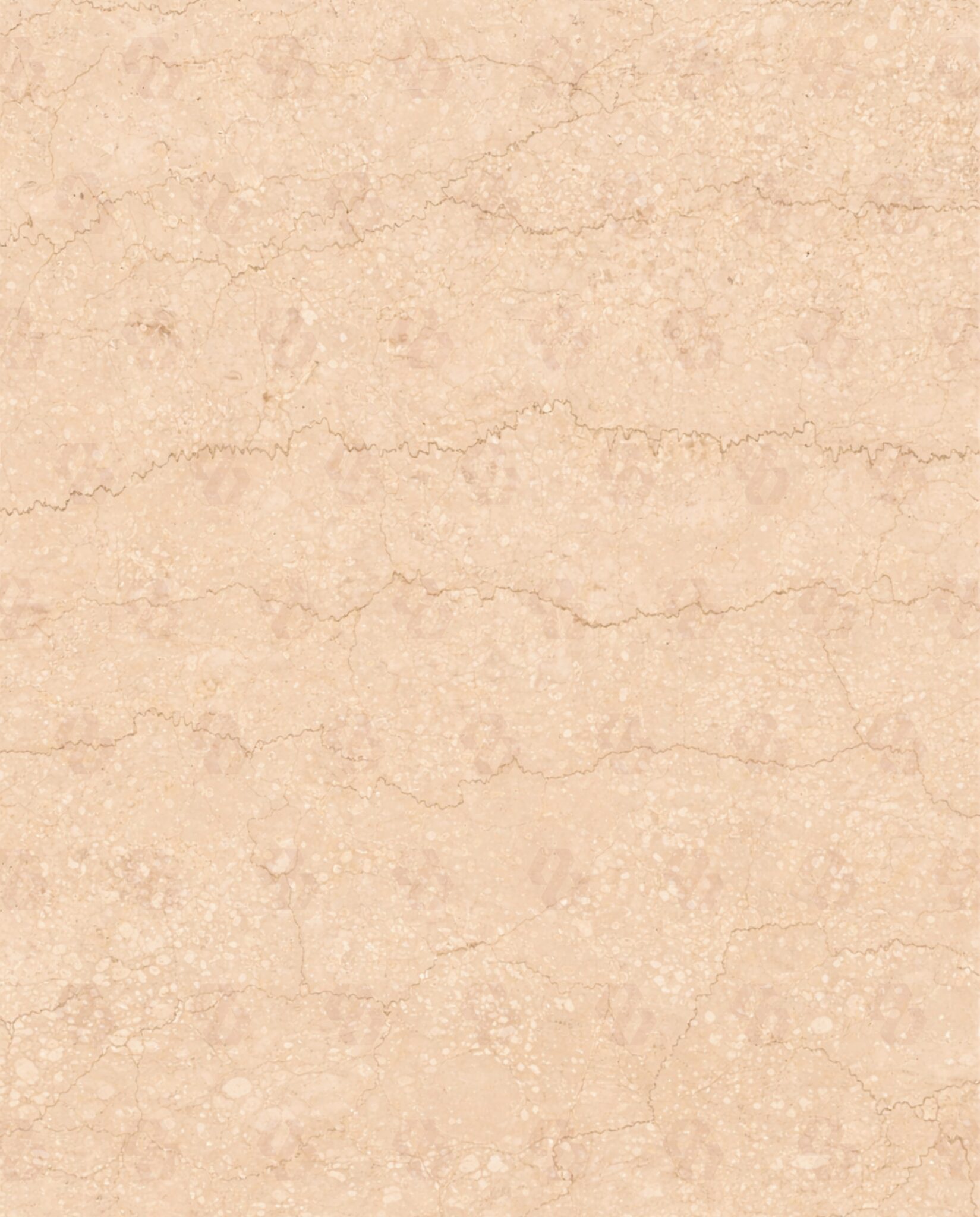
Botticino does not photograph as dramatically as Statuario. It does not have Makrana’s heritage story or Calacatta’s jaw-drop factor. What it does have is a warm beige tone with fossil traces and brown veining, plus an absorption rate of 0.1% by weight per MGI’s technical sheet. For current market guidance, you can check the Italian marble price in India guide.
The fossil residues in the background give Botticino a slightly organic texture that reads as luxury without screaming for attention. In wide corridors, open living areas, or any space where you want the floor to recede elegantly rather than compete with the rest of the interior, it is one of the smartest choices available.
The honest downside: a cheap, careless polished Botticino installation looks generic. The stone deserves careful slab selection and a decent installer. Honed finishes age particularly well under regular family foot traffic.
Best for : Corridors, staircases, large living areas, family-use zones, hotel-style interiors
Finish recommendation : Honed almost always; polished only in very controlled, low-traffic areas.
8. Dark Emperador — For When Dark Is Actually the Plan
Dark Emperador is not a safe, crowd-pleasing choice. It is rich coffee-brown to near-black with cream and beige veining, and it works brilliantly — but only in rooms where a dark, dramatic floor was always part of the design. In a small, low-ceiling room, it will feel oppressive. In a large, well-lit lounge or a luxury powder room, it is genuinely spectacular.
Levantina’s technical file for Marrón Emperador lists open porosity at 1.5% and water absorption at 0.4% — higher than most marbles on this list, which matters for wet areas. Equally important: their slip data shows a dramatic improvement in wet traction when moving from polished to honed or rough finishes. A polished dark marble bathroom floor is a genuine safety issue. A honed one is fine.
Indian pricing typically sits around ₹250 to ₹300 per sq ft. One advantage over white marble: acid etching, when it does occur, shows as lighter patches against the dark field, making it more visible than on white — so kitchen use is even less advisable.
Best for: Powder rooms, statement lounges, reception areas, staircase borders, dry accent installations
Finish recommendation: Honed always for floors; polished only for dry vertical surfaces and countertops
If you are planning Italian marble flooring for a villa, apartment, hotel, or premium interior project in South India, you can also explore our dedicated guide on Italian Marble in Bangalore to understand suitable varieties, price factors, and selection tips for Bangalore projects.
Choosing by Room: The Honest Guide
Living Rooms
Warm neutrals — Katni, Crema Marfil, Botticino — are the most practical for large family-use living rooms because they look calmer across big expanses and tolerate daily life without constant upkeep. For a more formal, light-filled look, Carrara is excellent. If you want Indian white with real durability credentials, Makrana is stronger than most imported equivalents.
Kitchen Floors
The honest answer here is that the best marble for kitchen floor depends on how much you are willing to manage. The Natural Stone Institute is explicit: calcite-based marbles are vulnerable to the acids in everyday cooking. If you insist on marble, choose a lower-porosity, denser option — Makrana is the strongest pick, Katni is the most budget-practical. If you want a kitchen floor that just works without worry, a large-format porcelain tile in a marble finish is the genuinely smarter material.
Bathroom Floors
For the best marble for bathroom floor or best marble tile for bathroom floor, finish matters more than variety. Honed or textured finishes are safer than polished on wet walking surfaces — this is not aesthetic advice, it is slip data. Makrana, Crema Marfil, Botticino, and Carrara all work in bathrooms when properly sealed and specified in a non-slip finish. Dark Emperador works too, but must be honed.
The cost of marble flooring in India thus ranges from genuinely accessible to serious luxury investment, depending on variety and grade. [→ See our full italian marble pricing guide for current slab quotes]
Taking Care of Marble Floors: What Actually Matters
Taking care of marble floors has a reputation for being complicated. It is not — but it does require a few non-negotiable habits.
Daily: Dust mop before mopping. Grit tracked in from outside is abrasive and will scratch polished marble faster than almost anything else. Entry mats at main doors matter more than most homeowners realize.
Spills: Wipe immediately. Marble does not stain in seconds, but leaving lemon juice, tomato, or wine sitting on a polished floor for ten minutes is enough to leave an etch mark. Blot, do not wipe — wiping spreads the spill.
Cleaning products: Use pH-neutral cleaners only. No vinegar, no lemon-based products, no multipurpose acidic bathroom cleaners. Mild dish soap diluted in warm water is genuinely fine. The Natural Stone Institute recommends this explicitly and also warns that abrasive powders can scratch the surface.
Sealing: Impregnating sealers make marble more stain-resistant, not stain-proof — a distinction worth understanding. For stones like Makrana and Katni, annual sealing is commonly recommended by Indian suppliers. For denser, lower-porosity marbles, some sellers suggest a one-to-two-year cycle. The practical test is simple: drip a small amount of water on the floor after a year. If it absorbs rather than beads, it is time to reseal.
Polishing: Periodic professional polishing can restore the shine that daily foot traffic dulls. The best way to polish marble floors is not to do it yourself with a rented machine — it is to hire a stone restoration professional when the floor genuinely needs it, not as routine maintenance. Light scratches can sometimes be buffed by a professional; deeper damage and full repolishing is specialist work. [→ Read our complete guide about remove stains from italian marble]
Installation: Where Many Good Purchases Go Wrong
A premium marble slab on a poorly prepared substrate is a waste of money. Natural Stone Institute’s installation guidance emphasizes substrate flatness and deflection control. Mapei’s guidance for natural stone stresses full mortar bed coverage, particularly for large-format slabs and wet areas. In simple terms: do not let anyone install expensive marble on an uneven floor base and expect good results.
Before fixing anything permanently, insist on a dry-lay — slabs laid out in pattern on the floor for your approval before installation begins. Sort by shade and vein direction. Keep lippage (height differences between adjacent tiles) extremely tight. Use an installer who works with natural stone regularly, not a general tile crew.
For movement joints (the small gaps that allow for thermal expansion), follow the adhesive manufacturer’s guidance rather than improvising. Skipping these is how floors crack and lift over time.
FAQ
If you want the most practical Indian white : Makrana Pure White — dense, low-porosity, long-lasting.
If you want the best value for money: Katni Beige — genuinely good flooring at genuinely accessible prices.
If you want classic imported elegance without the highest price tag: Carrara.
If you want visual drama and have the budget to execute it well: Statuario or Calacatta Gold.
If you want warm, liveable neutrals in an Italian stone: Crema Marfil or Botticino.
If dark drama is genuinely part of your design plan: Dark Emperador — honed, not polished.
The one thing no guide can replace is selecting the actual slab lot. Marble is a natural material and two slabs with the same name can look significantly different. Before you commit to any significant quantity, ask to see the specific lot you will receive, request photos in natural light, and if possible, visit the supplier’s yard.
Contact us for current slab availability, finish recommendations, room-specific guidance, and a live price quote. That is the right next step — because good marble flooring starts with the right stone for your specific room, not just the right name.