



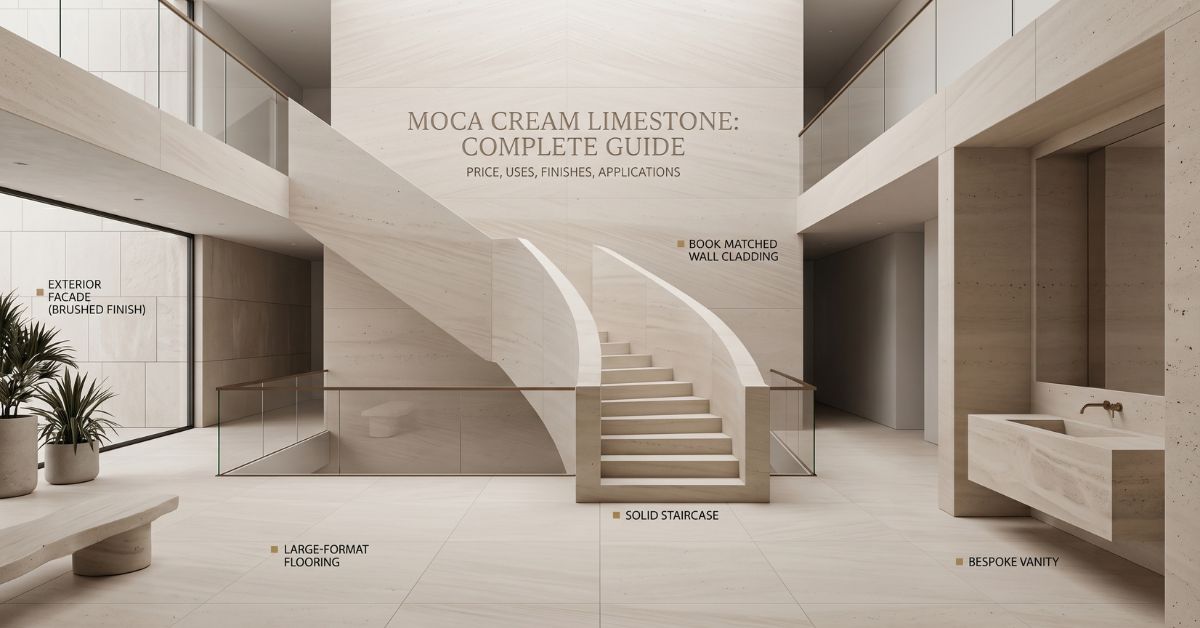
What is Moca Cream Limestone?
Moca Cream Limestone (sometimes called Mocha Cream or Moka Creme) is a natural stone with a cream-beige base and subtle veins or flecks. It is often marketed as a marble-like limestone because of its polished look and coloration. Despite the name, it is geologically a limestone—formed from compacted marine sediments, giving it a fine, uniform texture. The color is light to medium beige, warmer than typical white marble but lighter than darker travertines. This subdued tone makes spaces feel bright and airy. The stone takes a high polish, which highlights its gentle veins of taupe and caramel.
Key Characteristics:
- Color: Warm cream-beige background; may have parallel veins or cloudy patches of light brown, taupe, or faint yellow.
- Texture: Smooth and uniform. Grain is fine; visible veins are subtle.
- Porosity: As a limestone, it is moderately porous compared to marble or granite. Proper sealing is important.
- Strength: Fairly hard and durable, suitable for floors and walls (though softer than granite). It withstands normal traffic if properly maintained.
Moca Cream is widely favored in high-end projects because it bridges the gap between white and beige stones. Its neutral hue complements modern and traditional design.
Looking for original Moca Cream Limestone slabs for your project? Explore our available Moca Cream Limestone collection or request current slab photos and finish options.
Origin and Appearance
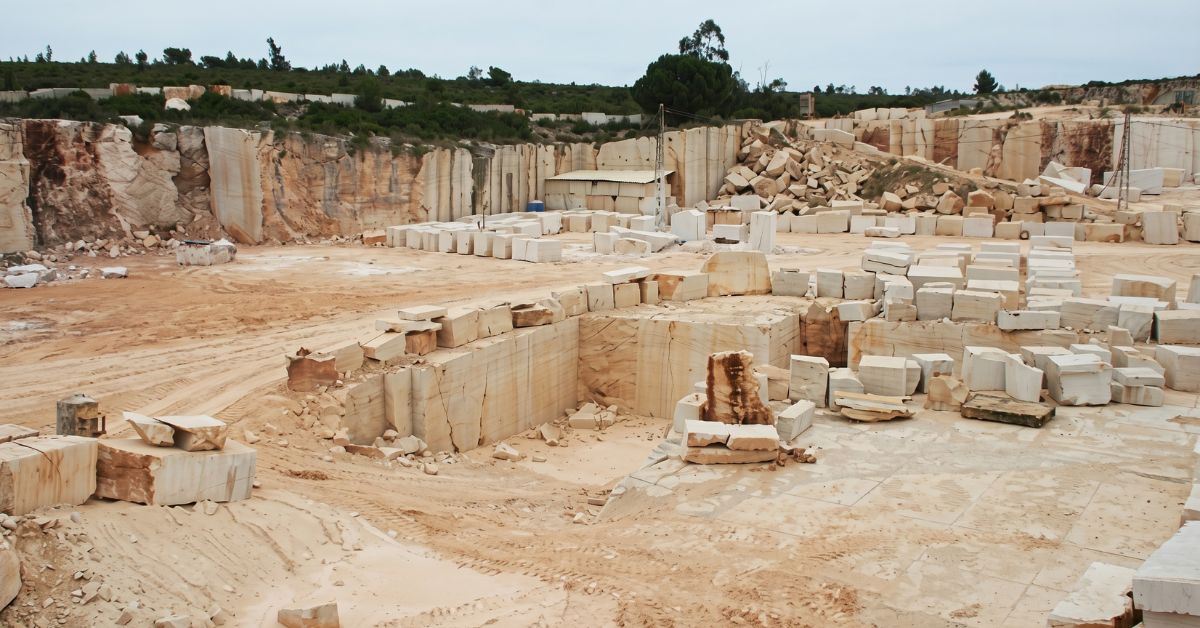
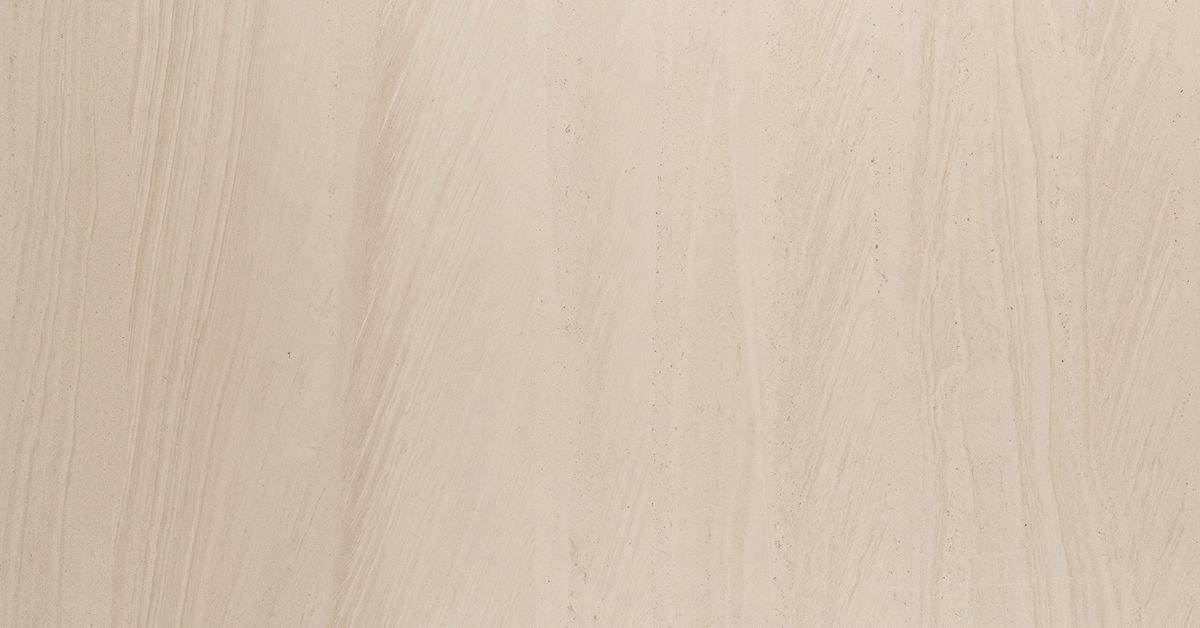
Moca Cream Limestone is quarried in Portugal, where many large quarries extract this beige stone. In fact, it is one of Portugal’s best-known limestones. The name “Moca” or “Mocha” Cream refers to the creamy taupe shades, similar to a latte or mocha coffee color. The stone often features a consistent beige base with parallel banded veins or streaks of slightly darker cream, light brown, or taupe. These veins give it a gentle pattern — not as busy as some marbles, but more texture than plain travertine.
[Moca Cream limestone slab with warm beige color and veining]
In Kishangarh (a stone hub in India), Moca Cream is imported in large slabs and cut into tiles. Slabs come in common dimensions like 6×10 feet or 5×8 feet, at 18–20mm thickness. Smaller tiles (300×300mm up to 600×600mm) are also popular. Because of its uniform background, Moca Cream provides a calm, continuous look when used over large areas. The stone can appear anywhere from almost white to light tan, depending on quarry and cut. Variations exist: some blocks have very straight veins (“classic” cut), others show more random patterns (“cross cut”).
Why Moca Cream is Popular
Moca Cream Limestone has become popular in India and worldwide for several reasons:
Elegant Neutral Aesthetic :
Its warm cream color is highly adaptable. It adds a luxurious yet understated feel to interiors and exteriors. Designers love it because it pairs well with many colors (from wood browns to modern grays) and is less stark than pure white marble.
Consistency :
The even tone and subtle veining lend a uniform appearance. Large spaces (like hotel lobbies or villa floors) look cohesive and spacious when paved in Moca Cream.
Versatility :
Suitable for both indoor and outdoor use (when properly finished), it offers design continuity across different areas of a building. The same stone can be used in living rooms, kitchens, bathrooms, and even on facades.
Cost-Effectiveness :
Compared to exotic marbles or hard granites, Moca Cream is relatively affordable. Portugal has many quarries supplying it in volume, which keeps prices moderate. You get a premium look without the top-end marble price tag.
Durability :
While not as hard as granite, it is a durable limestone. With good installation and sealing, it holds up well to foot traffic. It can weather outdoor conditions better than softer stones.
Because of these traits, architects often choose Moca Cream for cohesive designs — for example, using it in both a home’s kitchen and its outdoor porch for a seamless transition. It is also a go-to for hotel and office lobby floors, warm-colored commercial spaces, and modern-farmhouse style homes.
Common Finishes of Moca Cream Limestone
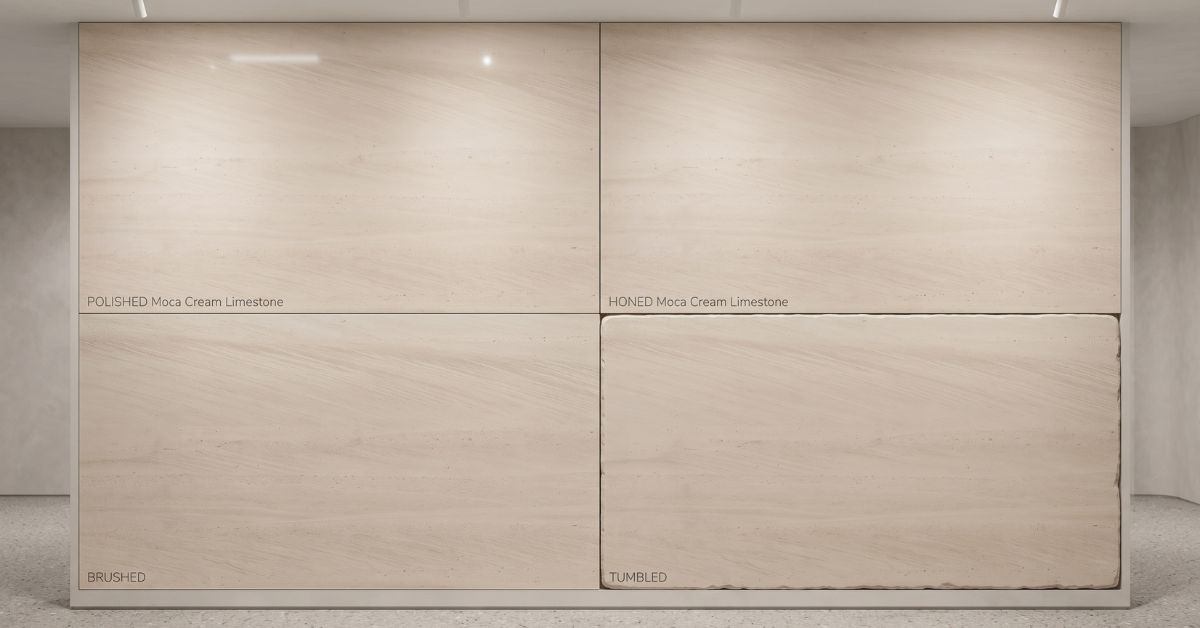
Moca Cream can be finished in various ways to highlight different looks and textures. The most common finishes are Polished, Honed, Brushed, and Tumbled. Each finish changes the surface slightly: polished adds shine, honed is matte, brushed adds texture, and tumbled creates an aged feel. Your choice depends on the application and aesthetic you want.
| Finish | Appearance/Texture | Best Uses |
|---|---|---|
| Polished | High gloss, reflective surface; deepens color | Interior floors, walls, countertops, bathrooms. Enhances color and vein contrast. |
| Honed | Smooth but matte (satin) surface | Interior floors, showers, countertops, exterior paved areas. Less glare, some slip resistance. |
| Brushed | Lightly textured, weathered feel | Exterior paving, pool surrounds, patios, textured walls. Improves slip resistance. |
| Tumbled | Soft, slightly antique look (chipped edges) | Rustic floors, garden paths, feature walls. Gives an aged, natural look. |
- Polished Finish: The stone is ground and buffed to a glossy shine. Polishing makes the veins and cream color pop beautifully. However, polished limestone can be slippery when wet, so it’s best used indoors (living rooms, marble countertops, bathrooms outside showers).
- Honed Finish: Honing creates a smooth, matte surface. It still looks luxurious but with less shine. Honed Moca Cream offers better traction and hides minor scratches. Great for kitchen floors, bathrooms, and even exterior porch if sealed.
- Brushed Finish: Brushing uses tough bristles to wear the stone surface slightly, giving a soft texture. This is ideal for outdoor or wet areas because it increases grip. Brushed Moca Cream has a subtle antique character—good for stairs, walkways, and pool surrounds.
- Tumbled Finish: Tumbling involves rotating the stone with sand or grit. Edges become rounded and surface gets weathered. Tumbled Moca Cream looks the most rustic and is often used for indoor feature floors, garden patios, and shower walls where a vintage feel is desired.
Choosing the right finish ensures both beauty and performance. For example, use polished limestone for a grand foyer floor, but choose brushed or honed for an outdoor patio.
Best Uses and Applications
Moca Cream Limestone excels in many architectural settings. Its neutral warmth and durability make it suitable for both interior and exterior uses. Here are the main applications:
Flooring
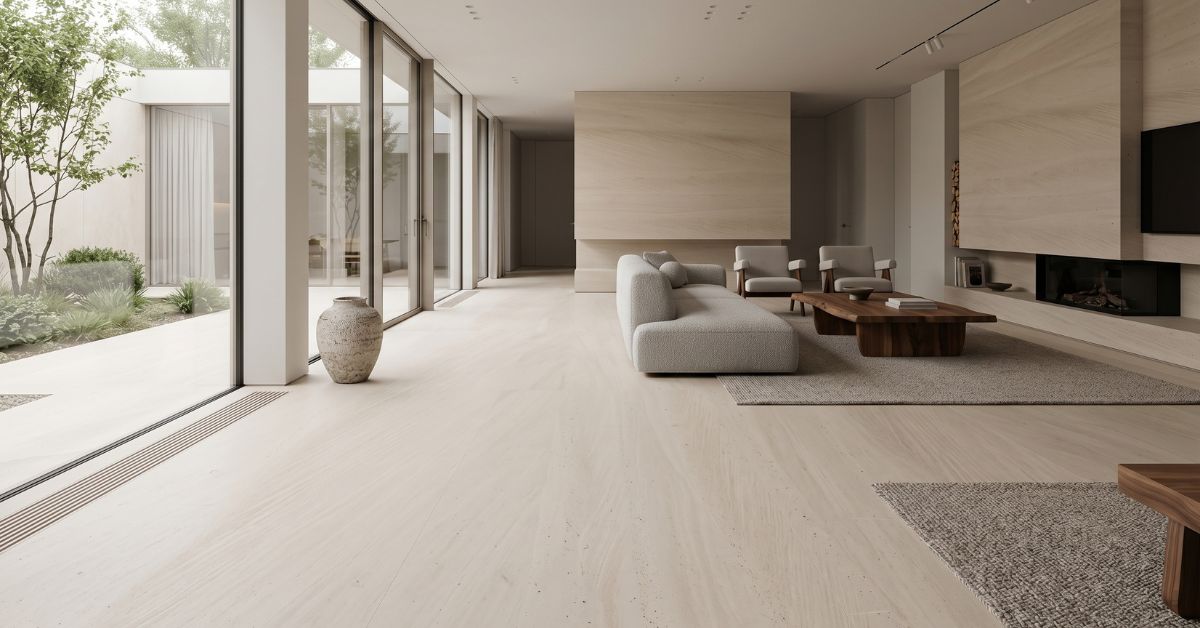
Moca Cream is an excellent flooring stone. Its light tone brightens rooms and hides minor dust. Use it in:
- Living Rooms & Hallways: Creates a spacious, elegant feel. Pairs well with wood or bold area rugs.
- Kitchens: A polished floor can look stunning, but consider honed/brushed in kitchens for better slip resistance. It complements cream or wooden cabinetry.
- Bedrooms: Offers a warm, cozy underfoot experience. Coordinate with light-colored walls or earthy decor.
- Commercial Lobbies: Its uniform look and premium image make it popular in hotel lobbies and showrooms.
Because it’s lighter, dirt is more visible than on dark stones, so regular sweeping is advised. But its smooth texture makes cleaning easy.
Wall Cladding & Facades
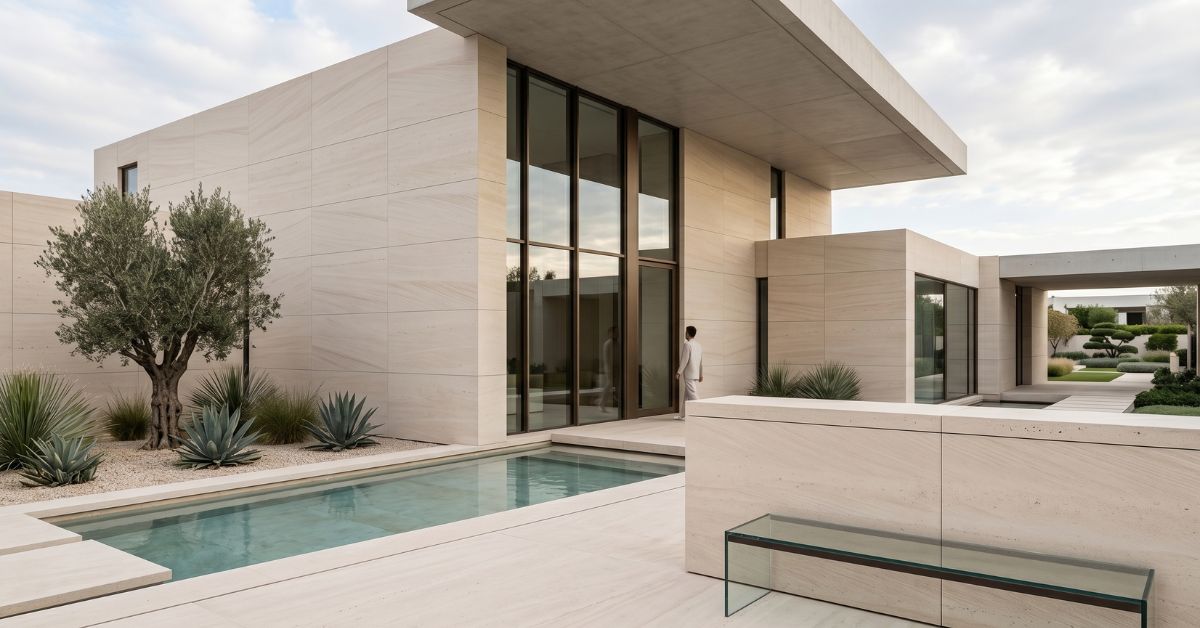
For walls, Moca Cream adds texture and luxury:
- Interior Walls: A polished or honed slab wall (in bathrooms, behind a fireplace, or as a backsplash) adds a high-end touch.
- Exterior Cladding: The stone’s durability and warm hue are ideal for outdoor facades. Many architects use Moca Cream on villa exteriors or commercial building facades. It holds up to weather (especially with a honed/brushed finish) and gives a consistent color across large surfaces.
- Feature Walls: As a textured accent (e.g. vertical wall in a foyer), Moca Cream’s veins create subtle patterns that remain elegant.
Because Moca Cream resists weathering relatively well, it’s often used on building exteriors, as noted by industry sources.
Bathrooms and Wet Areas
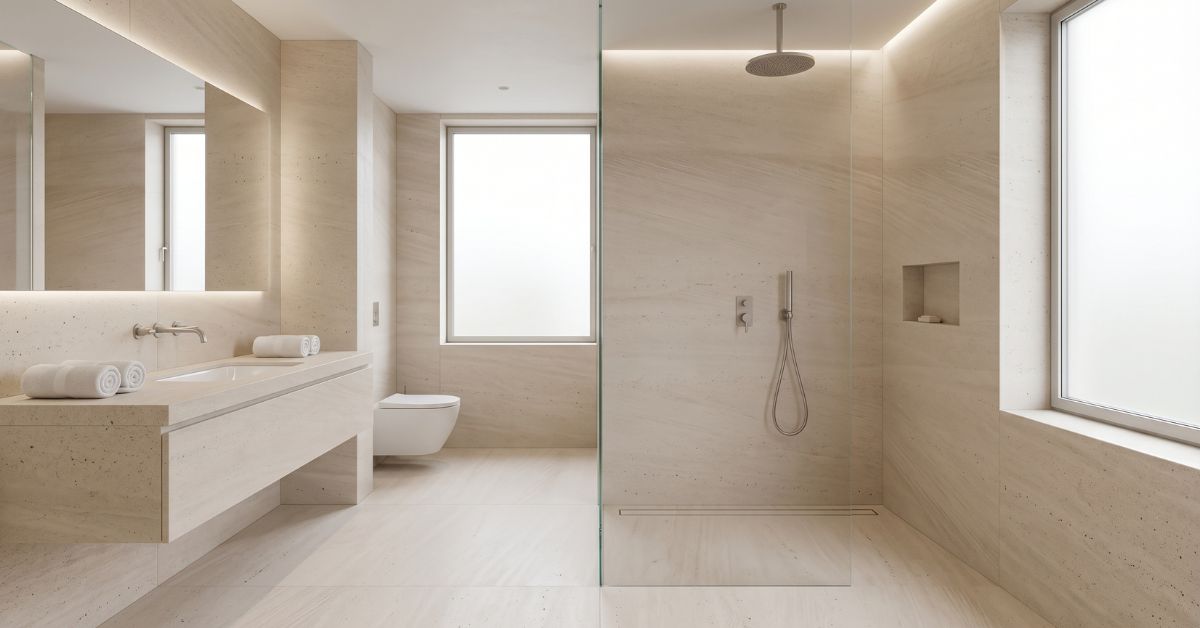
Moca Cream works well in bathrooms, but sealing is crucial:
- Floor and Shower Walls: Honed or tumbled finishes are preferred here for safety. Polished can be used on vanity tops or dry areas.
- Vanities and Countertops: A polished limestone countertop is beautiful, but must be sealed to prevent stains from cosmetics and acids.
- Wet Rooms: When properly sealed, Moca Cream can be used in showers and wet areas. However, avoid use in steam showers or swimming pool bottoms (per industry tile info).
Regular sealing and gentle cleaners will keep limestone surfaces looking new even in humid environments.
Countertops and Vanities
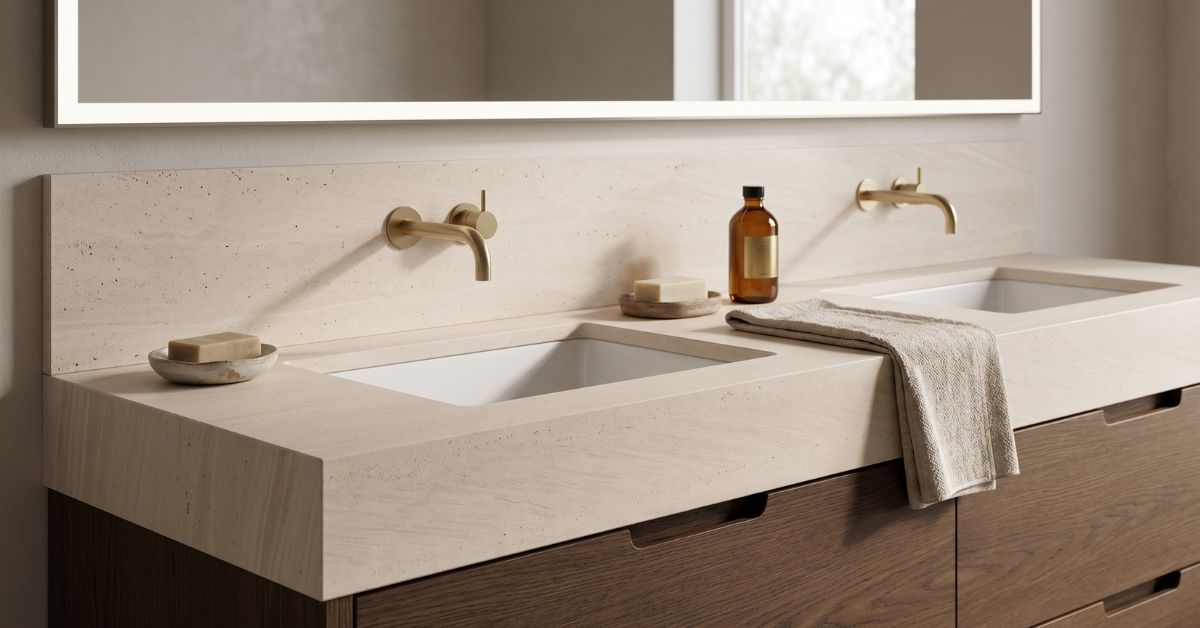
Although harder stones like quartzite or granite are common, Moca Cream marble/lime adds a unique warmth:
- Kitchen Counter: Its consistent cream tone looks modern. Use honed finish to reduce glare. Remember to seal, since limestone etches with acids.
- Bathroom Vanity: The soft beige adds a spa-like feel. Pair with dark sink or faucet for contrast.
Because Moca Cream can scratch more easily than granite, it’s less used for heavy-use kitchen counters. Still, it’s chosen for its beauty in gentle-use areas.
Staircases and Feature Steps
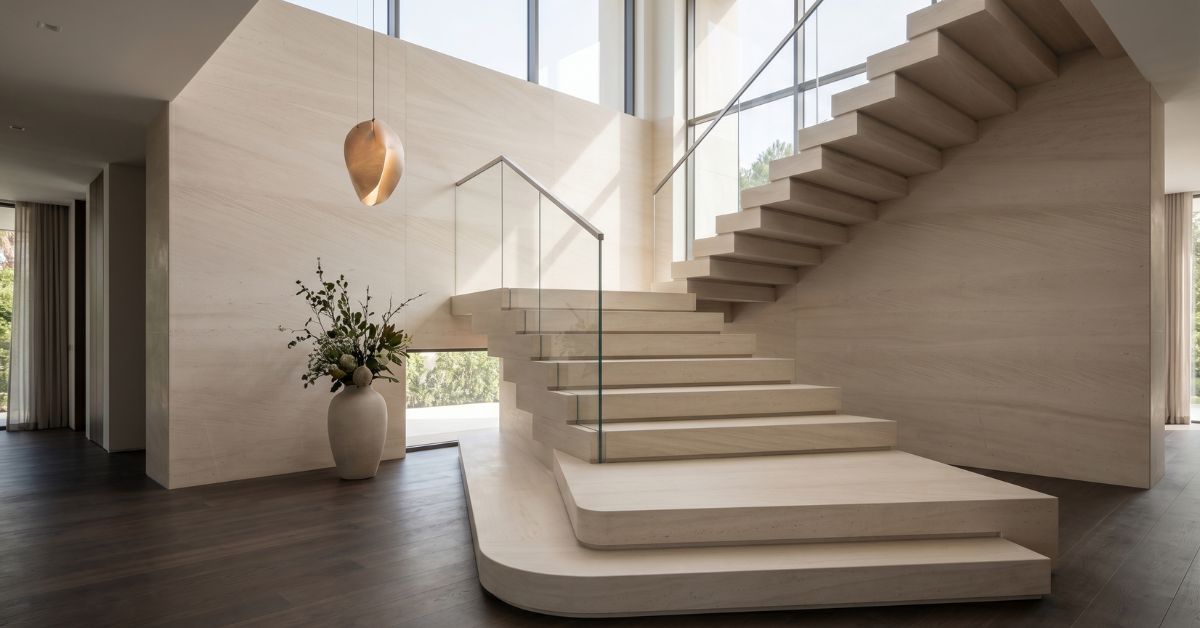
- Indoor Stairs: Limestone treads in Moca Cream look grand in an entryway. Brush or honed finish prevents slipping on stairs.
- Waterfalls/Steps: Outdoor steps or water feature ledges use honed/brushed Moca Cream to blend with nature.
Outdoor Landscaping
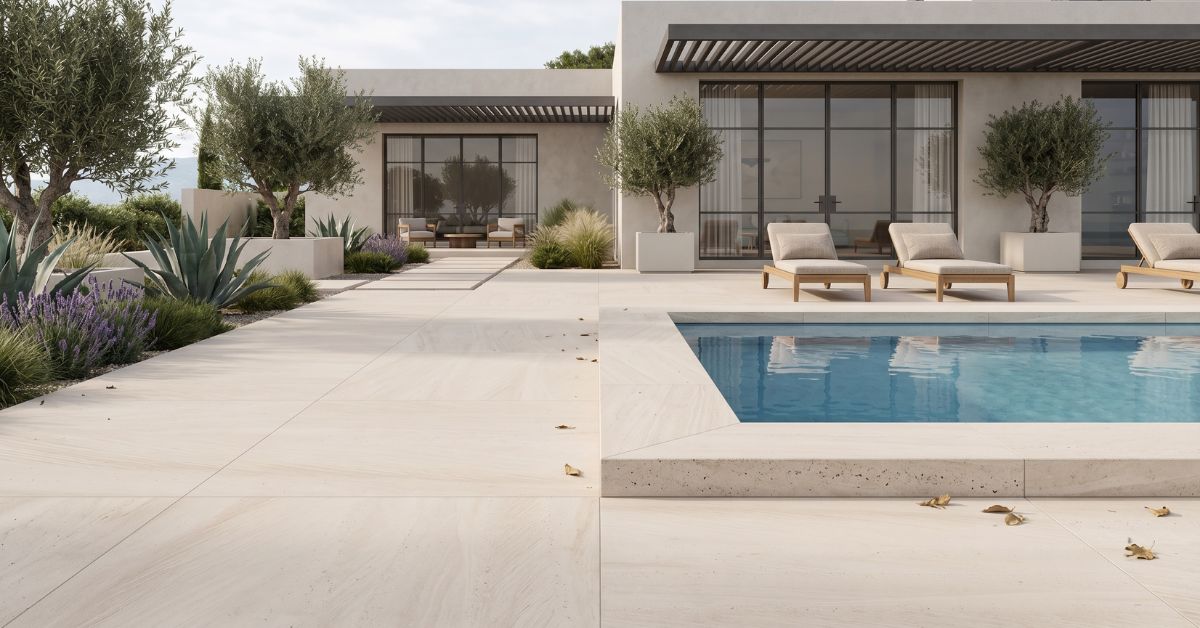
Moca Cream is surprisingly versatile outdoors:
- Patios and Courtyards: The stone’s durability and warm tone create inviting outdoor spaces. Use brushed finish to improve traction.
- Garden Paths: Tumbled or brushed tiles make charming garden walkways.
- Pool Coping: Though not suited for pool bottoms, treads around a pool can use brushed Moca Cream for a Mediterranean look.
Its use in Abu Dhabi/Kuwait projects shows it handles sun and rain well, making it a global favorite.
Moca Cream Limestone Variations and Cuts
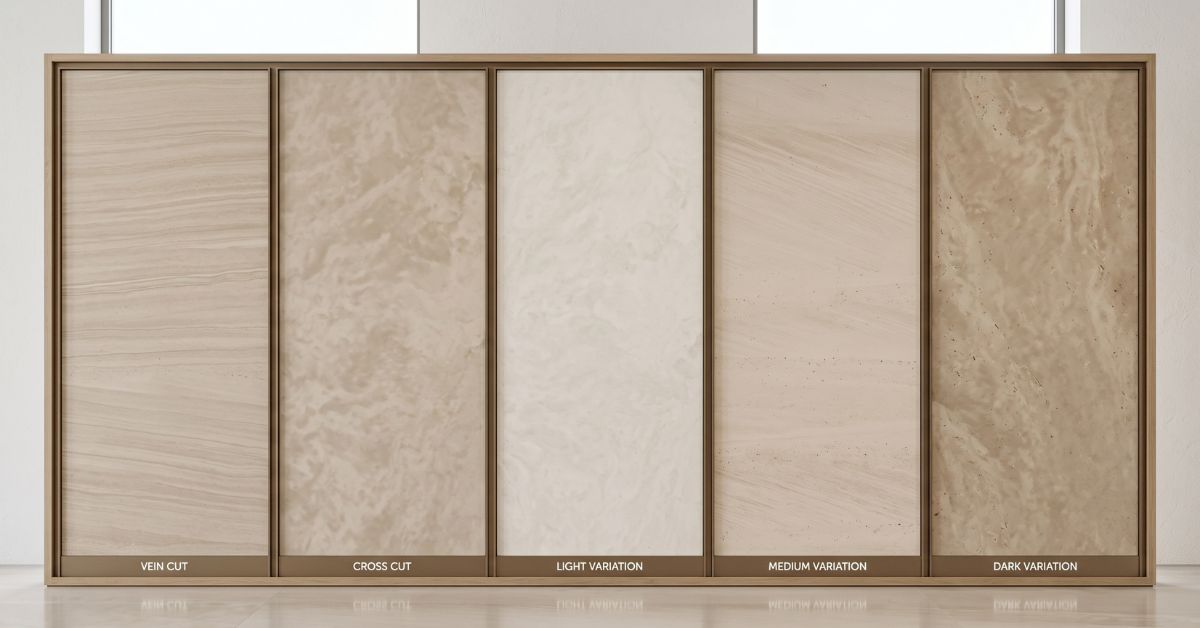
Moca Cream slabs come in different cuts, which affect the look:
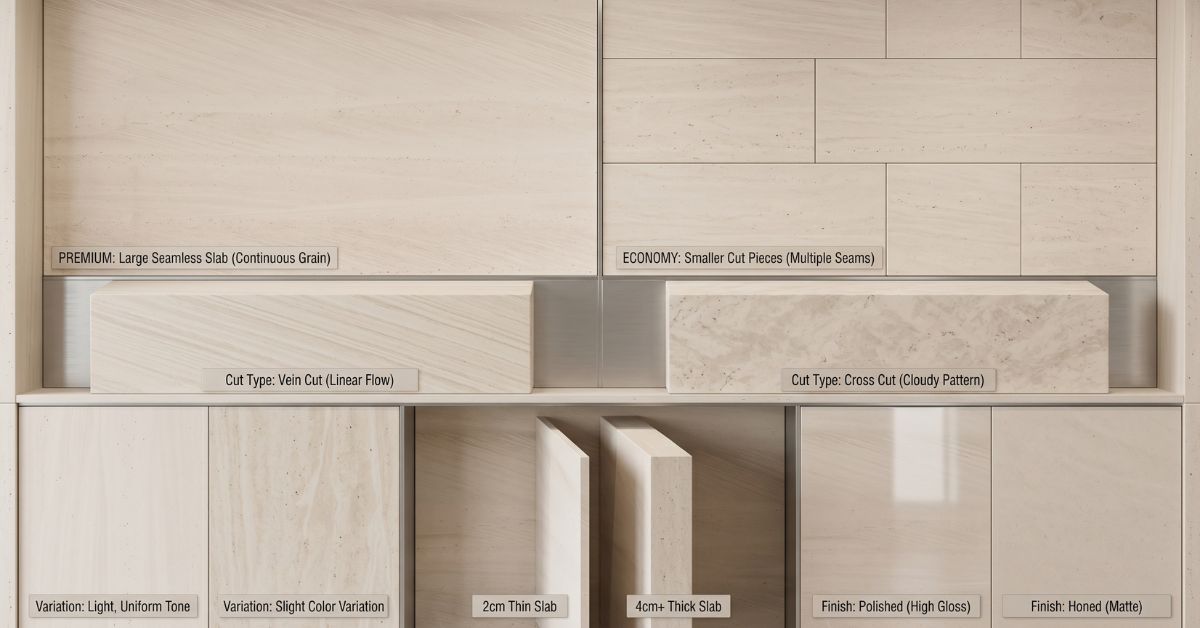
- Classic Cut: Veins run straight along the slab. Creates long, linear patterns. Use multiple slabs for continuous vein flow across a space.
- Cross-Cut (Vein-Cut): Slabs cut perpendicular to veins, resulting in more random, cloud-like patterns. These can be striking as accent walls.
These variations allow creative design: you might use classic cuts for floor continuity, and a cross-cut for a feature wall. Always view multiple slabs together to see color consistency and vein alignment before purchasing.
Moca Cream Limestone Price in India
Price Range: Typically around ₹250–300 per sq ft for 18–20mm polished slabs. Tiles (e.g. 12×12 inches) may be slightly cheaper on per-sqft basis. Prices can fluctuate based on market demand, supplier, and quality.
Why the Range? Limestone prices vary because:
- Thickness: Thicker slabs cost more.
- Finish: Polished finishes often cost a bit more than honed/tumbled, due to extra labor.
- Quality/Grade: The best color consistency and large veining may command a premium. Lower grades or off-cuts are cheaper.
- Origin/Quarry: Moca Cream is from Portugal, so currency/exchange rates and shipping add to cost. Rarely, some similar stones might be sourced from Turkey or India and affect local supply pricing.
- Order Size: Buying by the slab (bulk) can reduce cost vs. small quantities.
- Project Specs: Custom sizing or cuts (e.g. extra large panels) can increase price.
Indicator for Buyers: A mid-range estimate today is around ₹250 per sq ft for polished Moca Cream slab. (This aligns with supplier quotes). For tiles or honed stone, expect slightly lower. Always ask for a current quote from suppliers, since prices move with quarry output and market demand.
Need the latest Moca Cream Limestone price for your project? Request slab photos, thickness options, finishes, and current availability from Bhutra Marble.
Factors That Affect Price
When budgeting for Moca Cream Limestone, consider these factors:
- Finish: Polished stone often costs 10–20% more than honed or brushed, due to extra polishing time.
- Thickness and Size: Standard 18mm slab or 20mm slab. Custom thicker or thinner increases price. Very large tiles or panels incur higher handling/shipping costs.
- Quality Grade: Look for minimal cracks or flecks. “Prime” slabs (uniform color, minimal defects) are pricier. Lower-grade stone with more visible imperfections is cheaper.
- Supply Chain: Imported stones may include import duties, transportation, and dealer margins. Kashgarh (Rajasthan) importers vs. local dealers pricing can differ.
- Order Volume: Bulk orders usually negotiate lower rates. Small retail purchases have less room to discount.
- Market Demand: If many projects demand Moca Cream, suppliers may raise prices temporarily.
Always compare quotes from multiple Kishangarh suppliers, and check if any local substitutes (e.g. Indian beige limestones) are offered. However, nothing in India matches Moca Cream’s exact look, so it often sells at a premium.
Things to Know Before Buying
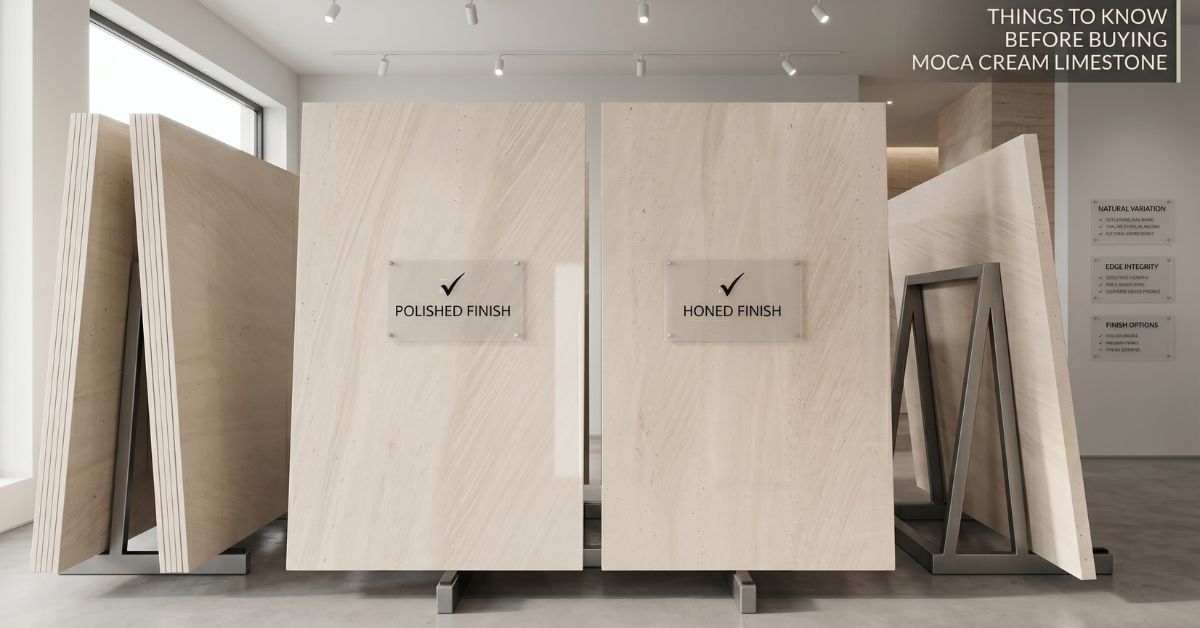
Choosing Moca Cream Limestone can transform a space, but here are key points to ensure satisfaction:
- Inspect Multiple Slabs: Color and veining can vary. Check several slabs together to understand their pattern and match. Ensure the color tone matches your vision.
- Plan for Sealing: Limestone must be sealed on installation. Ask your installer or Bhutra’s experts about sealing frequency. Sealing keeps out water and stains.
- Test Samples: View larger samples (at least 6×6 inches) in your space lighting. The stone’s warm tone may look lighter or darker depending on interior light.
- Finish Selection: Consider traffic and moisture. For floors, honed or brushed reduces slip. For walls or counters, polished highlights the beauty.
- Buy Extra Stock: Order ~10% more stone than measured area to account for cuts, mistakes, and future repairs.
- Installation by Professionals: Ensure installers have experience with natural stone (mortar type, joint grout, leveling). Poor installation leads to cracks.
- Expected Imperfections: Natural stone has pits or tiny holes. High-quality Moca Cream is fairly uniform, but accept some natural charring. These add to character.
- Ask for Warranty/Support: Buy from reputable suppliers (like Bhutra Marble) who offer post-install support in case issues arise.
Making an informed decision upfront saves headaches later. Moca Cream is premium; buy it right.
Maintenance and Cleaning
Keeping Moca Cream Limestone looking new is straightforward with routine care:
- Seal on Installation: Always have the stone sealed by professionals as soon as it’s laid. Reseal every 1–3 years depending on wear.
- Daily Cleaning: Sweep or vacuum regularly to remove dirt. Wipe spills immediately. Use a damp mop with a pH-neutral cleaner (stone soap).
- Avoid Acidic Cleaners: Substances like vinegar, lemon, or harsh chemicals will etch limestone. Cleaners must be labeled safe for natural stone.
- Stain Prevention: Do not let oil, wine, or acidic sauces sit on the surface. Use coasters and trays on countertops.
- Gentle Care: Never use scouring pads or abrasive powders—they scratch the surface. For tough spots, use a soft cloth or a stone-safe cleaning pad.
- Polish (if needed): For polished marble look, a stone polish can restore shine after years of use. Test in an inconspicuous area first.
- Bathroom Care: Use squeegees or dry cloth after shower use to prevent water spots.
With simple precautions, Moca Cream floors and walls can look pristine for decades.
Common Buyer Mistakes
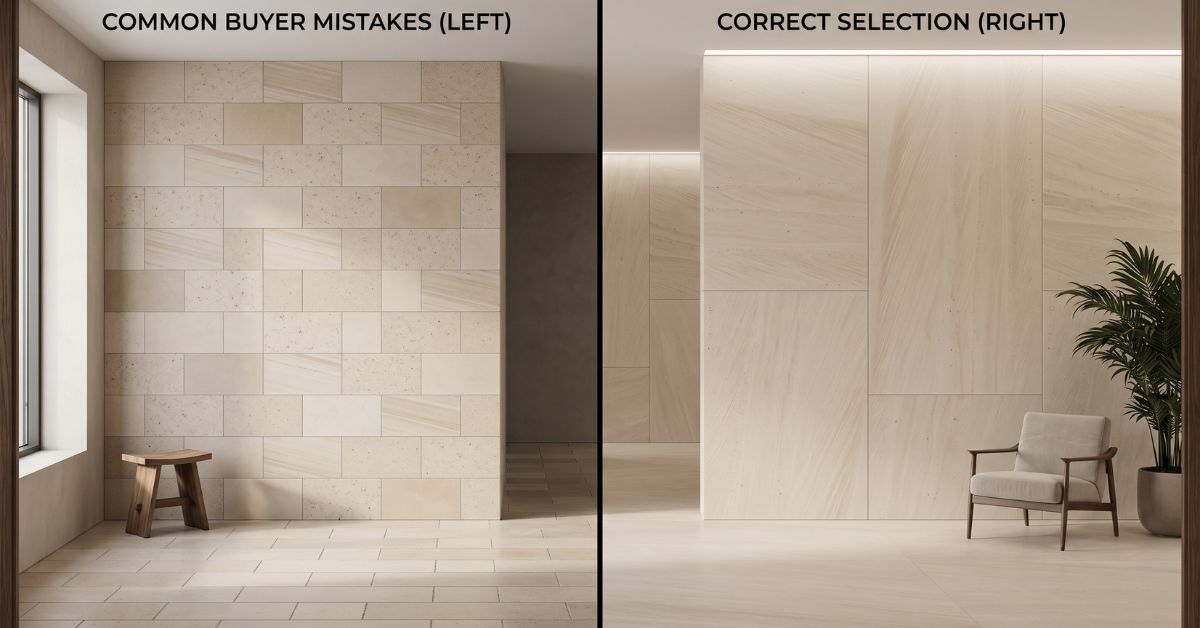
Avoid these pitfalls when working with Moca Cream:
- Choosing Solely on Photos: Don’t judge color or pattern from web images. Always inspect real slabs.
- Neglecting Sealer: Using unsealed limestone is a big mistake—water marks and stains are nearly guaranteed.
- Overlooking Slip Risk: Installing polished stone in wet areas (like pool surrounds or showers) without accounting for slipperiness.
- Mismatched Grout/Trim: The grout or stone trim should match the warm cream tone. A stark white grout, for instance, will look out of place.
- Ignoring Variation: Expect natural variation. A few specks or darker lines are normal. Expecting a perfectly uniform look can lead to disappointment.
- Wrong Thickness: Using too-thin slabs for heavy traffic. 18mm+ is recommended for floors.
- Inadequate Ventilation: In bathrooms, ensure proper ventilation. Limestone can dull over time if soap scum builds up.
- Over-Polishing Outdoors: Polished limestone outdoors can be slippery; remember to choose the right finish for each location.
Being aware of these will help ensure your project is a success.
Who Should Choose Moca Cream Limestone
Moca Cream Limestone is ideal for:
- Architects & Designers: Seeking a neutral yet luxurious beige stone to unify interior and exterior designs.
- Luxury Homeowners: Who want a classic look without a pure white floor. It’s great for upscale villas and premium apartments.
- Builders/Contractors: Looking for an affordable alternative to Italian marble that still looks high-end.
- Contractors in Hot Climates: Its light color stays cool and resists heat absorption.
- Anyone Needing Versatility: If you want one stone that works in living areas, bathrooms, and even outside, Moca Cream can do it all (with the proper finish).
It may be less suitable for those on a very tight budget (even its affordable range is higher than common limestone) or for projects demanding very rustic or colorful stones.
FAQ :-
It’s a natural beige limestone from Portugal with fine taupe-brown veining. Despite “marble” names sometimes used, Moca Cream is geologically limestone, giving it a uniform, cream-colored base that’s elegant for floors, walls, and counters.
Yes. These terms are often used interchangeably. All refer to the same warm cream-beige limestone quarried in Portugal. Just be aware of spelling variations.
The stone is quarried in Portugal, which is famous for this “Portuguese beige” limestone. It is exported worldwide and available in India through suppliers in Kishangarh.
Common finishes include polished (shiny surface), honed (matte), brushed (textured), and tumbled (antique-look). Polished shows the full color, while honed/brushed are safer for flooring. Each finish suits different uses.
Yes. Moca Cream is durable and can be used outside as cladding, paving, or outdoor steps (especially in honed or brushed finish for grip). It can also be used in bathrooms, but it must be sealed and better in honed finish to prevent slipping. Avoid using it in steam showers or pool bottoms.
Prices vary, but expect roughly ₹250–₹300 per sq. ft. for 18–20mm slabs (polished). Honed/tiled surfaces cost a bit less. The exact price depends on slab size, finish, and quality. Always get a quote from your supplier.
Maintain it like any natural limestone: wipe spills quickly, use a damp mop with mild stone cleaner, and avoid acidic substances. Reseal the stone every year or two, especially on floors, to keep it stain-resistant.
Yes. All limestone should be sealed to protect against moisture and stains. Professional installers should seal after installation and advise on a maintenance schedule.
Visit Bhutra Marble – Your Trusted Supplier

If you’re considering Moca Cream Limestone, Bhutra Marble in Kishangarh is your local expert. With decades of stone industry experience, Bhutra Marble offers:
- Genuine Quality: Directly sourced slabs from reputable quarries, ensuring authentic Moca Cream coloring and durability.
- Large Inventory: A wide range of limestone (including Moca Cream) and other premium stones to see in person.
- Expert Guidance: Our team understands technical details like finish and sealing, helping you choose the right stone and finish for each application.
- Competitive Pricing: Transparent quotes reflecting current market rates.
- One-stop Service: From sample slabs to delivery, we handle the process. Visit our Kishangarh showroom to inspect Moca Cream slabs under natural light or request high-resolution slab photos/videos for your review.
Contact Bhutra Marble today to discuss your project and arrange a showroom visit. Let us help you bring the timeless elegance of Moca Cream Limestone into your design.