


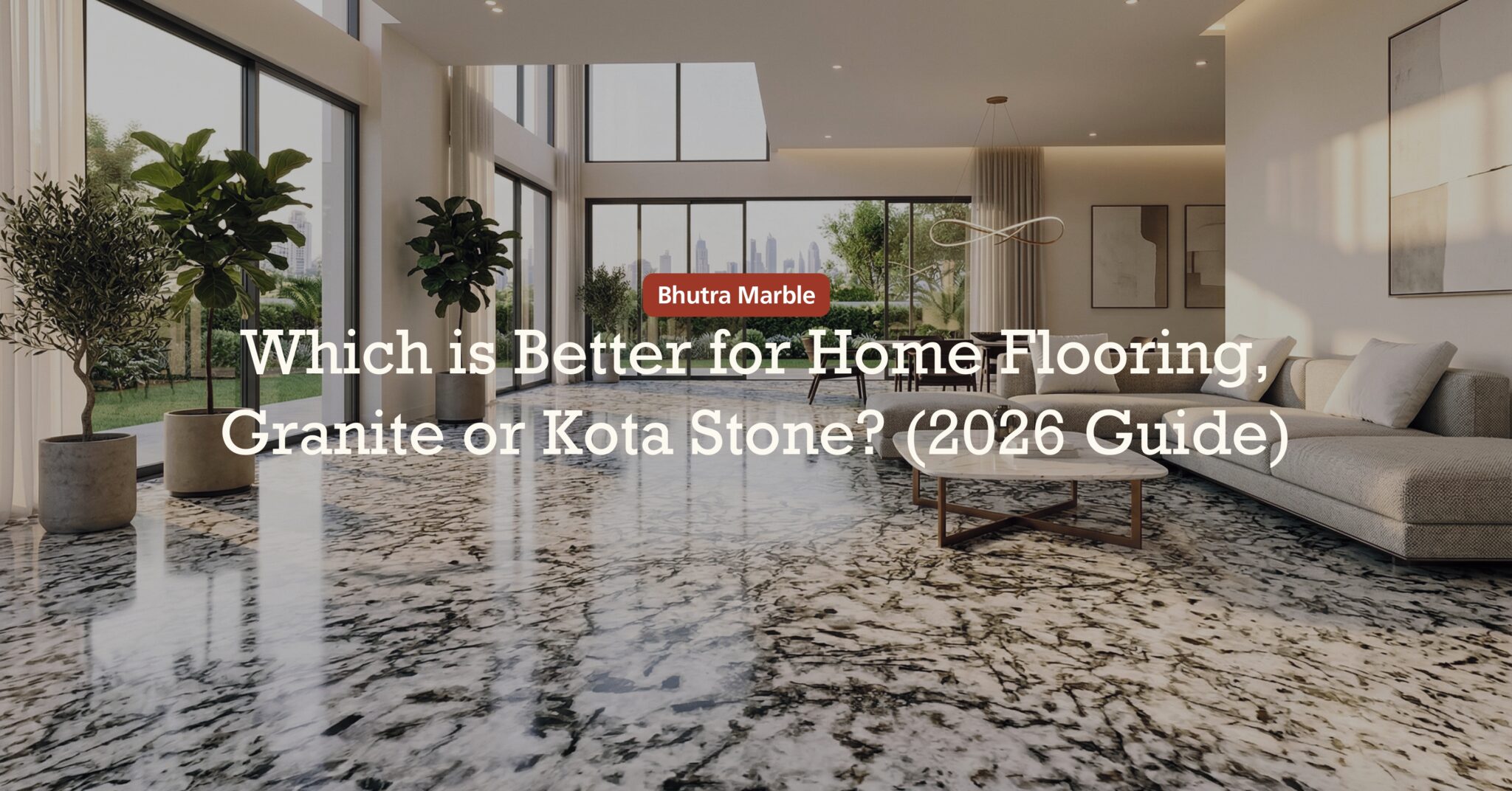
Kota Stone vs Granite
Choosing between granite and Kota stone flooring is one of the most common decisions for Indian homeowners.
Both are widely used — but they are completely different in terms of durability, maintenance, price, and long-term value.
👉 Quick Answer:
Granite is stronger, more durable, and premium, while Kota stone is budget-friendly but requires more maintenance and care.
Let’s break it down clearly.
Granite vs Kota Stone – Quick Comparison
| Feature | Granite | Kota Stone |
|---|---|---|
| Durability | Very High | Medium |
| Porosity | Non-porous | Porous |
| Maintenance | Low | Medium–High |
| Price | ₹120–₹300/sqft | ₹30–₹100/sqft |
| Look | Premium glossy | Matte natural |
| Best Use | Living rooms, kitchens | Outdoor, budget areas |
What is Granite Flooring?
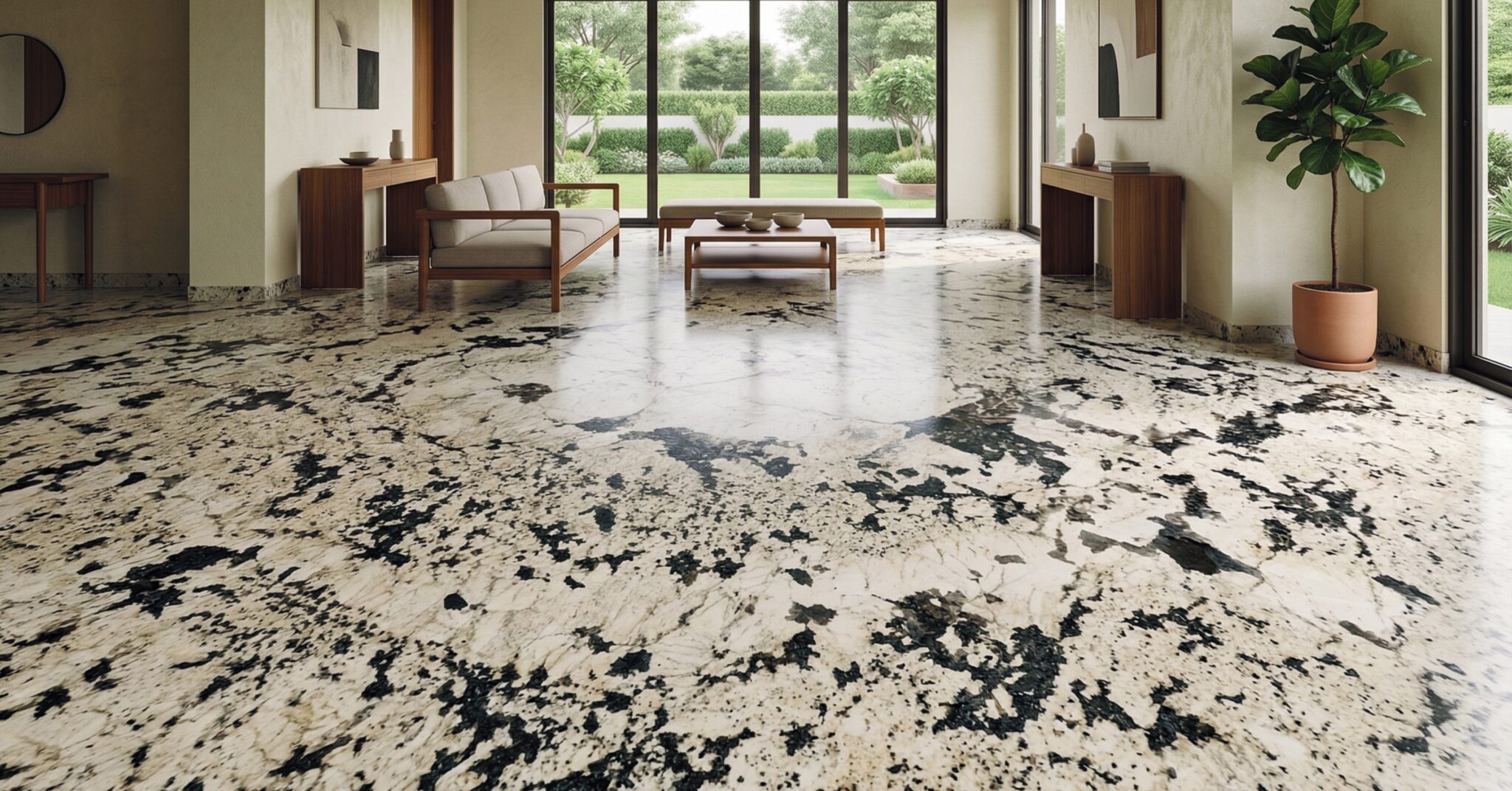
Granite is a natural igneous rock known for its hardness and polished luxury finish.
It is widely used in:
Modern homes
Luxury villas
High-traffic areas
What is Kota Stone Flooring?
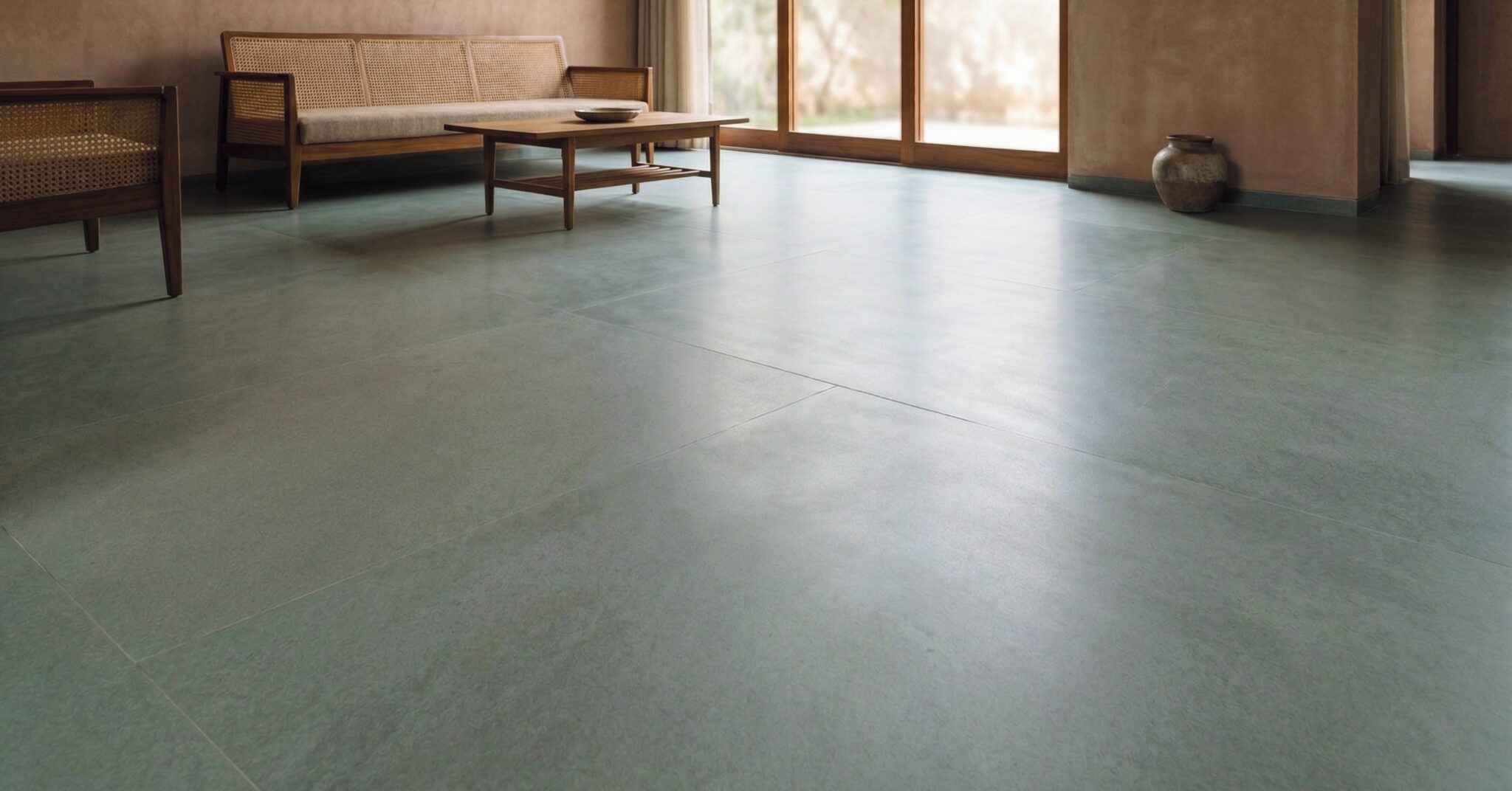
Kota stone is a limestone-based natural stone mainly sourced from Rajasthan.
It is popular for:
Budget flooring
Outdoor areas
Commercial use
Granite vs Kota Stone – Detailed Comparison
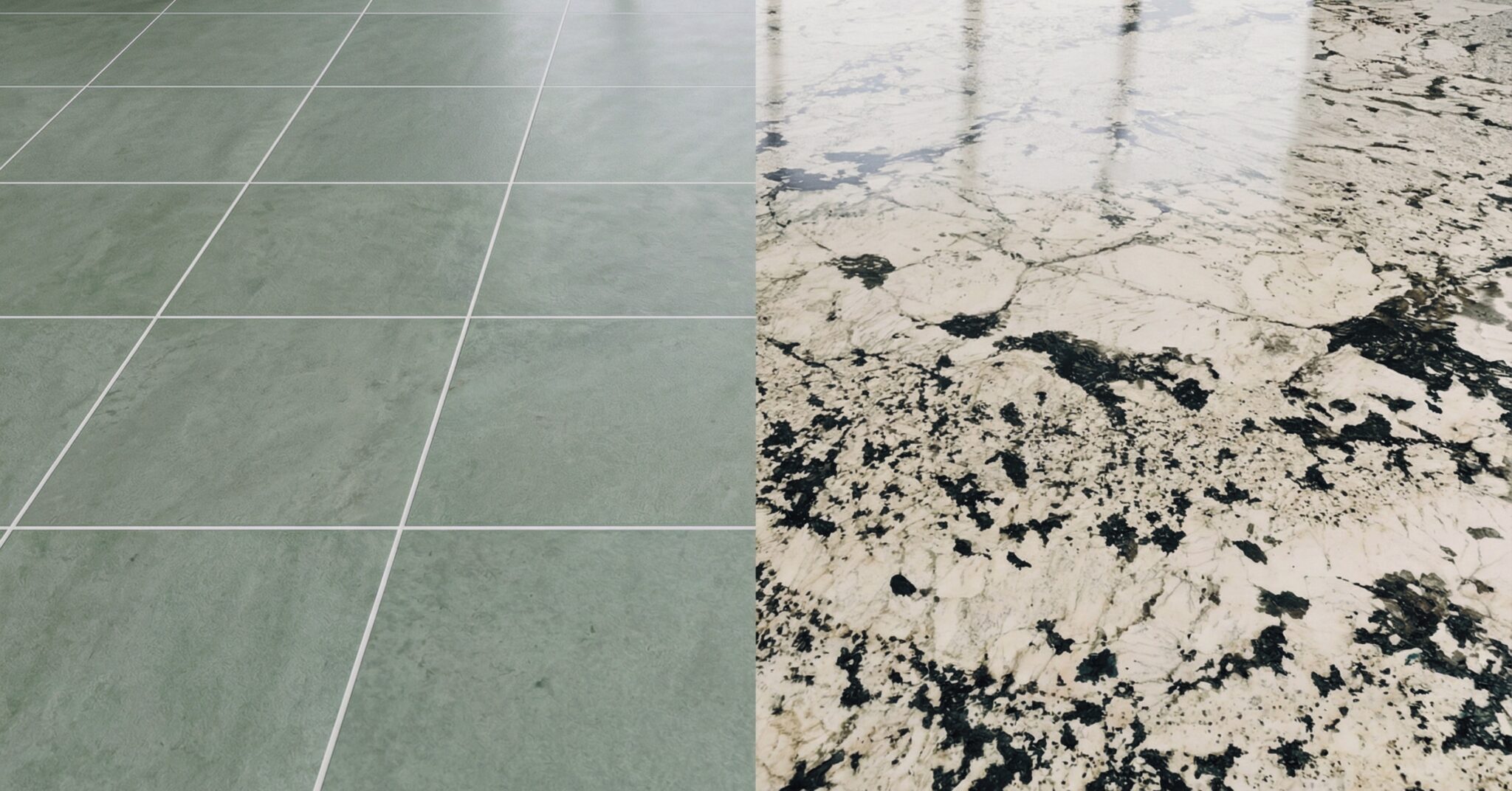
1. Durability
Granite is one of the hardest natural stones and resists scratches, stains, and heavy usage.
Kota stone is durable but softer and can wear over time.
👉 Winner: Granite
2. Water Absorption & Stains
Granite:
Non-porous
Resists stains
Kota stone:
Porous
Can absorb water and discolor
👉 Winner: Granite
3. Price Comparison in India
Granite: ₹120 – ₹300/sqft
Kota Stone: ₹30 – ₹100/sqft
granite price per sq ft in India
👉 Kota is cheaper, but compromises quality.
👉 Winner: Kota (Budget)
4. Maintenance
Granite:
Easy cleaning
Low maintenance
Kota:
Needs polishing
Requires sealing
👉 Winner: Granite
5. Appearance
Granite:
Rich, glossy, premium
Kota:
Simple, matte, earthy
👉 Winner: Granite
8 Biggest Reasons to Choose Granite for Home Flooring
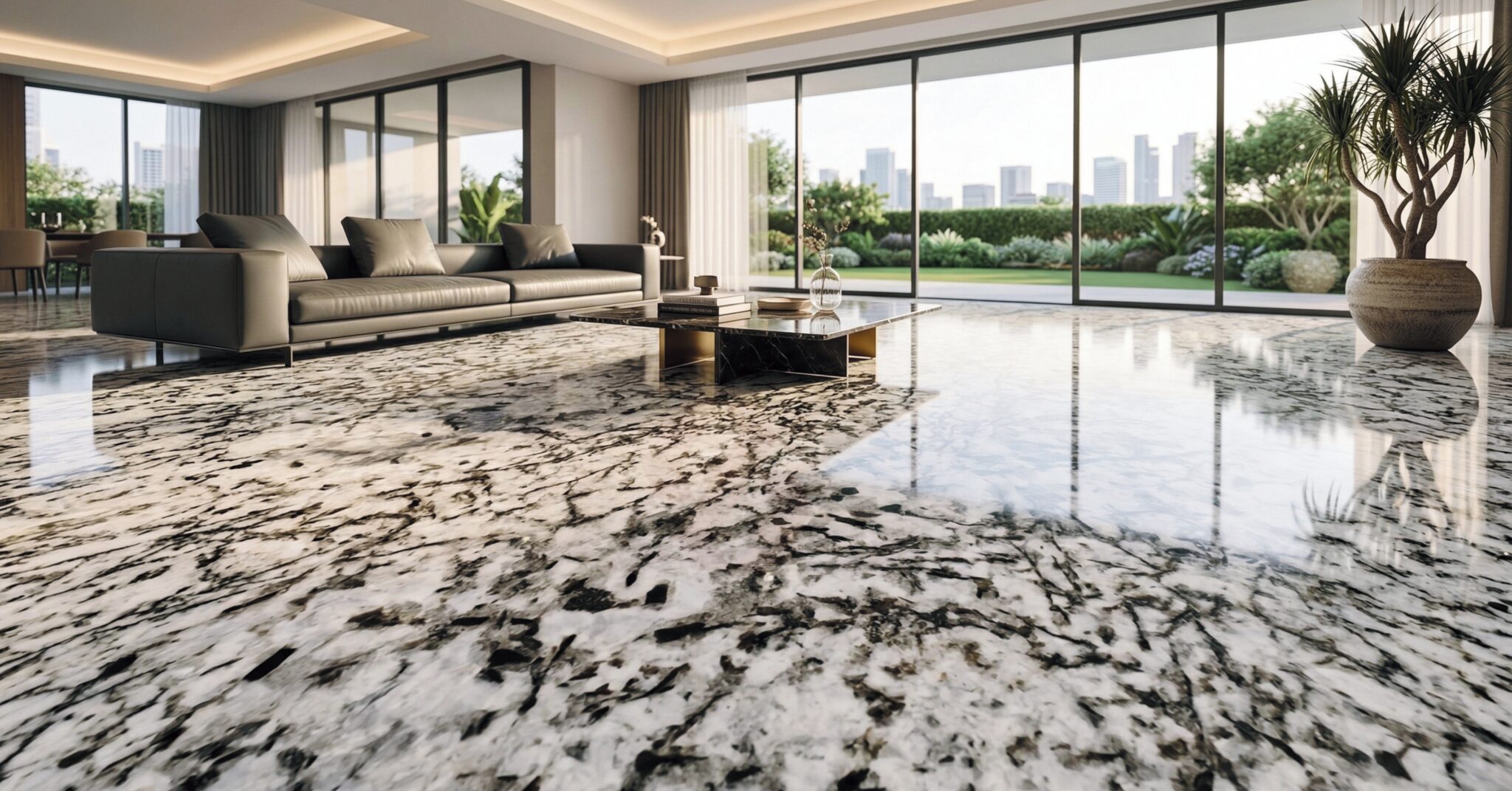
Exceptional Durability
Granite is one of the hardest and most durable materials, resistant to scratches, stains, and heat.Timeless Beauty
Offers a stunning array of colors, patterns, and veining, enhancing the aesthetic appeal of any space.Versatility
Complements a wide range of design styles and architectural themes.Ease of Maintenance
Requires minimal maintenance with simple care and occasional sealing.Longevity
Lasts for decades without losing strength or appearance.Increased Home Value
Adds luxury and improves resale value.Cost Effective (Long Term)
Higher upfront cost but saves money over time.Multiple Color Options
Available in wide variety for design flexibility.
Which One Should You Choose?
Choose Granite if:
You want premium look
You want long-term durability
You want low maintenance
Choose Kota Stone if:
You want low-cost flooring
You need outdoor or utility use
Design is not a priority
Make Final Decision
After comparing both materials, it is clear that granite offers better performance in most aspects.
Granite stands out due to:
Higher durability
Better stain resistance
Premium appearance
Long-term value
Kota stone is a practical choice for budget-focused projects, but it comes with limitations like porosity and maintenance.
👉 Final Verdict:
If budget allows, granite is the best and smartest flooring choice for modern homes.
Where to Buy Granite at Best Price in India?

When buying granite, quality matters as much as price.
Among many suppliers, Bhutra Marble and Stone Centre in Kishangarh, India stands out because:
Wide Range of Products – Multiple colors, patterns, and finishes
Quality Assurance – Premium slabs sourced from top quarries
Competitive Pricing – Best value for quality
Expert Guidance – Helps you choose right stone
Customer Satisfaction – Trusted by homeowners & architects
Established Reputation – 45+ years of industry experience
👉 If you’re planning flooring, visiting a trusted supplier ensures better decision-making.
FAQ :-
For most Indian homes, granite is the better flooring choice because it’s harder, more durable, and usually more stain-resistant with lower routine maintenance. Kota stone can be a good value option for large outdoor/utility areas, but it needs more care and can be affected by acids because it’s limestone.
Granite is an intrusive igneous stone (very hard), while Kota stone is a limestone-based sedimentary stone. In practice: granite handles wear better; Kota is more budget-friendly and often chosen for outdoor areas due to its natural split non-slip surface.
Kota is usually cheaper. Housing.com notes Kota pricing can start very low (e.g., ~₹15/sq ft in some contexts), while granite flooring can average higher depending on grade and finish. Always compare installation + polishing/sealing costs too.
A commonly cited range is roughly ₹15–₹50 per sq ft depending on thickness/finish, with premium varieties going higher. Pricing varies by city, tile size, and polishing/sealing.
Granite prices vary by stone type, finish, thickness, and labor. Housing.com cites an average granite flooring cost range around ₹120–₹450 per sq ft (market-dependent).
Absorption depends on the specific variety, grade, and finish. The Indian Bureau of Mines yearbook notes Kota stone has a natural split non-slip surface and describes dense varieties as durable. In residential use, sealing and timely cleaning are still smart to reduce staining risk.
Polished granite can be slippery when wet; competitors explicitly mention this. If slip safety is a concern, consider finishes like honed/leathered or use rugs/mats in wet zones.
Yes—Kota stone is widely used for exterior paving and has a natural split non-slip surface (good for outdoor areas). This is why many builders choose it for verandas, courtyards, and pathways.
For long-term indoor home flooring, granite typically lasts longer because it’s harder and more resistant to scratches and wear. Kota can last well too, but it may show flaking/wear sooner if not maintained and sealed correctly.
Sometimes. The Natural Stone Institute says sealing may make sense for granite in many cases and can improve resistance to spills and stains. Sealing needs vary by granite type and finish.
Prioritize grit control (dust mopping) and avoid abrasive dirt that can scratch natural stone finishes. Use appropriate stone-safe cleaners and basic preventive habits to preserve the surface.
Because Kota is limestone, it can be affected by acids and may discolor if exposed (competitor + market sources mention this). Avoid acidic cleaners and wipe spills quickly.
Comments (2)
sathya sunder
February 28, 2024Hi,
Do forward the availability of Granite at your location. Thanks
Bhutra Marble
August 19, 2026Hi Sathya, thank you for reaching out. For granite availability and delivery to your location, please contact us at +91 9116615702. Our team will guide you with the available options and details.